Showing posts with label antibacterial. Show all posts

Sunday, October 29, 2017

Functional Food for Better Health - Honey, Propolis & Royal Jelly

Its all in the ingredients!! Each of these products merit healthy respect but all three together? In Apitherapy, that's called Synergistic Power! If you're consuming these bee products, you're not only saving your life but helping bees maintain an important role and contributor to all beings on our planet. 

Honey, Propolis, and Royal Jelly: A Comprehensive Review of Their Biological Actions and Health Benefits
JOxidMed 2017 February

Introduction
Apiculture is the science and art of prolonging, sustaining, and retaining health by using products obtained from honeybee hives, such as honey, bee bread, bee venom, bee pollen, propolis, and royal jelly. Recent years have seen the fast application of bee products in both traditional and modern medicine. Currently, many studies are targeted toward investigating directed health benefits and pharmacological properties of bee products due to their efficacies, leading to the increasing development of nutraceuticals and functional food from these products. The concept of functional food refers to food that has the ability to promote better physiological or psychological health compared to traditional remediated and nutritional food. These effects positively contribute toward excellent health maintenance, well-being, and reduced chronic illness [1]. The present review focuses on the potential health benefits of bee products, including honey, propolis, and royal jelly. 

Conclusion
The present review focused on the potential health benefits of bee products such as honey, propolis, and royal jelly. These products are highly rich in active components such as flavonoids, phenolic acid, phenolic compounds, terpenes, and enzymes, which have biological functions in preventing some diseases and promoting good health. Honey, propolis, and royal jelly have distinct efficacies with significant nutritional properties and functional values. Thus, these bee products can be developed into potent apitherapeutic agents. However, some precautions need to be taken in case of allergens associated with bee products and in finding the right intake dosage. Hence, it is necessary to conduct further studies to determine the critical mechanisms related to the pharmacological activities of these bee products and the appropriate amounts that can be taken in order to obtain promising health benefits.


Thursday, July 9, 2015

Royal Jelly Effective Against Antibiotic-Resistant Pneumonia

Royal Jelly possesses many documented bioactive properties and this study found that both fresh and freeze-dried royal jelly is effective against antibiotic-resistant pneumonia. Add this to the fact that it's also a brain-booster, hormone-regulator and an anti-aging compound, not to mention that it boosts red blood cell counts, glucose tolerance and mental health!

The Lyophilization Process Maintains the Chemical and Biological Characteristics of Royal Jelly

The alternative use of natural products, like royal jelly (RJ), may be an important tool for the treatment of infections caused by antibiotic-resistant bacteria. RJ presents a large number of bioactive substances, including antimicrobial compounds.

In this study, we carried out the chemical characterization of fresh and lyophilized RJ and investigated their antibacterial effects with the purpose of evaluating if the lyophilization process maintains the chemical and antibacterial properties of RJ. Furthermore, we evaluated the antibacterial efficacy of the main fatty acid found in RJ, the 10-hydroxy-2-decenoic acid (10H2DA).

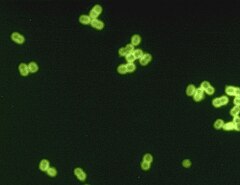
S. pneumoniae in spinal fluid (digitally colored).
Chromatographic profile of the RJ samples showed similar fingerprints and the presence of 10H2DA in both samples. Furthermore, fresh and lyophilized RJ were effective against all bacteria evaluated; that is, the lyophilization process maintains the antibacterial activity of RJ and the chemical field of 10H2DA. The fatty acid 10H2DA exhibited a good antibacterial activity against Streptococcus pneumoniae.

Therefore, it may be used as an alternative and complementary treatment for infections caused by antibiotic-resistant S. pneumoniae.

Monday, August 25, 2014

Neurodegenerative Diseases Prevented by Bee Venom

Bee venom and its numerous components are revealing many uses in treating health conditions. Incorporating other bee products during such a treatment would generate additional benefits, namely "synergistic effects", whereby each product enhances the properties of the others, such as royal jelly & propolis.

Neuroprotective effects of melittin on hydrogen peroxide-induced apoptotic cell death in neuroblastoma SH-SY5Y cells
BMC Complementary and Alternative Medicine 2014, 14:286, Published: 5 August 2014
Background
Free radicals are involved in neuronal cell death in human neurodegenerative diseases. Since ancient times, honeybee venom has been used in a complementary medicine to treat various diseases and neurologic disorders. Melittin, the main component of honeybee venom, has various biologic effects, including anti-bacterial, anti-viral, and anti-inflammatory activities.

Methods
We investigated the neuroprotective effects of melittin against H2O2-induced apoptosis in the human neuroblastoma cell line SH-SY5Y. The neuroprotective effects of melittin on H2O2-induced apoptosis were investigated using a 3-(4,5-dimethylthiazol-2-yl)-2,5-diphenylterazolium bromide assay, caspase 3 activity, 4,6-diamidino-2-phenylindole staining, a lactate dehydrogenase release assay, Western blots, and reverse transcription-polymerase chain reaction.

Results
The H2O2-treated cells had decreased cell viability with apoptotic features and increased production of caspase-3. On the other hand, melittin treatment increased cell viability and decreased apoptotic DNA fragmentation. Melittin attenuated the H2O2-induced decrease in mRNA and protein production of the anti-apoptotic factor Bcl-2. In addition, melittin inhibited both the H2O2-induced mRNA and protein expression of Bax-associated pro-apoptotic factor and caspase-3.

Conclusions

These findings suggest that melittin has potential therapeutic effects as an agent for the prevention of neurodegenerative diseases.


Wednesday, February 19, 2014

Bee Venom Prevents Acne Inflammation

Bee venom, the most feared of all bee products, is advancing in the beauty sector, offering a natural alternative to rejuvenating the skin and now as a natural acne treatment. A separate study last year found the same positive results in treating acne... 

The protective effects of melittin on Propionibacterium acnes-induced inflammatory responses in vitro and in vivo
J InvestDermatol, 2014 Feb 4

Abstract:

Melittin is the main component in the venom of the honey bee (Apis mellifera). It has multiple effects including anti-bacterial, anti-viral, and anti-inflammatory activities, in various cell types. However, the anti-inflammatory mechanisms of melittin have not been elucidated in Propionibactierium acnes (P. acnes) induced keratinocyte or inflammatory skin disease animal models. 

In this study, we examined the effects of melittin on the production of inflammatory cytokines in heat-killed P. acnes-induced HaCaT cells. Heat-killed P. acnes treated keratinocytes increased the expression of pro-inflammatory cytokines and toll like receptor 2. However, melittin treatment significantly suppressed the expression of these cytokines through regulation of the NF-κB and MAPK signaling pathways. 

Subsequently, we examined the living P. acnes (1 × 10⁷ CFU) were intradermally injected into the ear of mice. Living P. acnes injected ears showed cutaneous erythema, swelling, and granulomatous response at 24 h after injection. However, melittin-treated ears showed markedly reduced swelling and granulomatous responses compared with ears injected with only living P. acnes. 

These results demonstrate the feasibility of applying melittin for the prevention of inflammatory skin diseases induced by P. acnes.


Friday, January 17, 2014

Antioxidant Activity and Biological Effects of Propolis Explained

A thorough summary of the magnificent properties of propolis. As stated below, "despite its variety, it is always highly biologically active". This explains why has many applications in treating and preventing chronic diseases. Is it any wonder that the Swiss government wants to restrict its use for pharmaceutical purposes?

Structure and Antioxidant Activity of Polyphenols Derived from Propolis
Molecules, 2013, Dec

Abstract:
Propolis is a potential source of natural antioxidants such as phenolic acids and flavonoids. Its wide biological effects have been known and used since antiquity. In the modern world natural substances are sought which would be able to counteract the effects of antioxidative stress, which underlies many diseases, such as cancer, diabetes and atherosclerosis. This paper aims to present the antioxidative activity of phenolic acids and flavonoids present in Polish propolis and the relationship between their chemical structure and antioxidative activity influencing its medicinal properties.

Data concerning the biological activity of propolis are summarized here, including its antibacterial, anti-inflammatory, anticarcinogenic, antiatherogenic, estrogenic effects, as well as AIDS- counteracting and reparative-regenerative function.

Conclusions:
Basic Flavonoid Structure
As a substance of natural origin, propolis does not have a stable and reproducible chemical composition. Thus, a serious research problem arises, that of defining its full composition in a credible way. Despite its variety, it is always highly biologically active. Among the most significant chemical compounds comprising Polish propolis are phenolic acids and flavonoids. Owing to their structure, these compounds display high antioxidative activity.

Tests conducted on polyphenols present in Polish propolis have allowed scientists to establish the mechanism of polyphenol activity and proved their antibacterial, anti-inflammatory, anticarcinogenic, antiatherogenic and reparative-regenerative activity. In consideration of the high antioxidative activity of Polish propolis new therapeutic possibilities connected with this natural bee product are being actively sought

For a download of the complete study - click here.

Friday, October 11, 2013

Bee Venom Cosmetic Helps Treat Acne

Bee venom is on the rise as a new cosmetic ingredient, rejuvenating skin as an alternative to injections of Botox®, is now proven to stop the growth of acne. It's antibacterial and anti-inflammatory properties make it a promising new compound...

Effects of cosmetics containing purified honeybee (Apis mellifera L.) venom on acne vulgaris
J Integr Med, 2013, Sept.


OBJECTIVE:
Acne vulgaris is a chronic dermatologic problem with multiple factors involved in its pathogenesis. Alternative solutions to acne treatment were instigated by antibiotic resistance despite of its extensive use. Purified bee venom (PBV) has been proposed as a promising candidate for that purpose. The present study was designed to confirm the antibacterial effect of PBV and access the efficacy of cosmetics containing PBV in subjects with acne vulgaris.

METHODS:
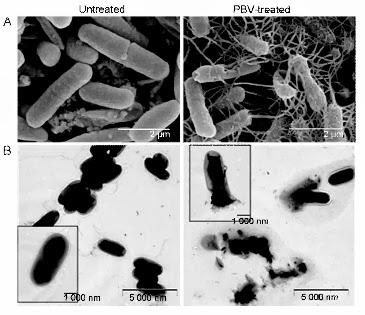
The skin bacterium Propionibacterium acnes was incubated with PBV at various concentrations and bacterial growth was evaluated using the colony forming unit (CFU) assay. The mechanism of PBV employed in killing P. acnes was examined by scanning electron microscopy (SEM) and transmission electron microscopy (TEM). In addition, a total of 12 subjects were randomized in a double-blind, controlled trial to receive either cosmetics containing PBV or cosmetics without PBV for two weeks. Evaluations included lesion counts and skin microorganism.

RESULTS:
PBV exhibited antimicrobial activity in a concentration-dependent manner, reducing the number of P. acnes CFU by approximately 6 logs at a concentration of 0.5 mg. When PBV concentration was higher than 1.0 mg, no P. acnes colonies were spotted on an agar. TEM and SEM of untreated P. acnes illustrated the normal pleomorphic structure, whereas the PBV-treated bacterium lost the integrity of surface architecture. Significant difference (P=0.027) in the grading levels based on numbers of lesion counts for inflammatory and noninflammatory was observed in favour of the PBV group compared with the control group. In terms of average decrement of skin
microorganism, subjects receiving cosmetics containing PBV experienced a significant 57.5% decrease of adenosine triphosphate levels, whereas participants receiving cosmetics without PBV experienced a nonsignificant decrease of 4.7%.

CONCLUSION:
These results show that the in vitro actions of antimicrobial activity of PBV were translated in vivo. Cosmetics containing PBV provided a certain degree of efficacy in terms of lesion counts and skin microorganism concentration compared with cosmetics without PBV in subjects with acne vulgaris. PBV may be a good candidate compound for developing therapeutic drug for the treatment of acne vulgaris.


Tuesday, September 24, 2013

Combining Honey and Garlic Boosts Antibacterial Effects

Honey and propolis are extremely complementary with herbal remedies. After all, bee products are plant-based, so it's not suprising that combining the beneficial effects of garlic with honey will improve the effects of both. This is known as Api-Phytotherapy and even though this is from the stingless bee, it's antibacterial properties are similar to honey from Apis mellifera...

Combined antibacterial activity of stingless bee (Apis mellipodae) honey and garlic (Allium sativum) extracts against standard and clinical pathogenic bacteria
Asian Pac Jrl Trop Biomed, 2013 Sep;3(9):725-31

OBJECTIVE:
To investigate the synergic antibacterial activity of garlic and tazma honey against standard and clinical pathogenic bacteria.

METHODS:
Antimicrobial activity of tazma honey, garlic and mixture of them against pathogenic bacteria were determined. Chloramphenicol and water were used as positive and negative controls, respectively. Minimum inhibitory concentration (MIC) and minimum bactericidal concentration of antimicrobial samples were determined using standard methods.

RESULTS:
Inhibition zone of mixture of garlic and tazma honey against all tested pathogens was significantly (P ≤ 0.05) greater than garlic and tazma honey alone. The diameter zone of inhibition ranged from (18±1) to (35±1) mm for mixture of garlic and tazma honey, (12±1) to (20±1) mm for tazma honey and (14±1) to (22±1) mm for garlic as compared with (10±1) to (30±1) mm for chloramphenicol. The combination of garlic and tazma honey (30-35 mm) was more significantly (P≤0.05) effective against Salmonella (NCTC 8385), Staphylococcus aureus (ATCC 25923), Lyesria moncytogenes (ATCC 19116) and Streptococcus pneumonia (ATCC 63). Results also showed considerable antimicrobial activity of garlic and tazma honey. MIC of mixture of garlic and tazma honey at 6.25% against total test bacteria was 88.9%. MIC of mixture of garlic and tazma honey at 6.25% against Gram positive and negative were 100% and 83.33%, respectively. The bactericidal activities of garlic, tazma honey, and mixture of garlic and tazma honey against all pathogenic bacteria at 6.25% concentration were 66.6%, 55.6% and 55.6%, respectively.

CONCLUSIONS:
This finding strongly supports the claim of the local community to use the combination of tazma honey and garlic for the treatment of different pathogenic bacterial infections. Therefore, garlic in combination with tazma honey can serve as an alternative natural antimicrobial drug for the treatment of pathogenic bacterial infections. Further in vivo study is recommended to come up with a comprehensive conclusion. 


Friday, June 28, 2013

Bee Pollen Antimicrobial Effects on Gastrointestinal Flora

The benefits of bee pollen are common knowledge - it contains 13 vitamins, 14 minerals and 15 amino acids and studies have found horses consuming bee pollen improved performance. This new study proves it also has antimicrobial properties on the gastrointestinal flora, which is vital news in light of ever-increasing antibiotic resistant bacteria ... 

The Effects of Bee Pollen Extracts on the Broiler Chicken's Gastrointestinal Microflora
Res VetSci, 2013 Aug; Vol 95(1):34-7

The aim of this study was to investigate the effects of bee pollen ethanolic extracts on the in vivo gastrointestinal tract microflora colonization of broiler chickens.

A completely randomized experiment based on six treatments (different concentrations of bee pollen - 0, 5, 15, 25, 35 and 45gkg(-1) diet) was used during 7weeks. The highest count of faecal Enterococci was found in the experimental group with the addition of 15g of pollen (8.85±0.87log CFUg(-1)) per 1kg of feed mixture. The highest count of Lactobacilli was detected in the experimental group with 35g of pollen per 1kg of feed mixture and the highest number of the Enterobacteriaceae genera count was found in the control group (8.43±0.15log CFUg(-1)).

Moreover, the MALDI TOF MS Biotyper identified the following genera: Escherichia coli, Proteus mirabilis, Klebsiella oxytoca, as well as Lactobacillus acidophilus, L. crispatus, L. fermentum and L. salivarius from the Lactobacilli group and Enterococcus avium, E. casseliflavus, E. cecorum, E. faecalis, E. faecium, E. gallinarum, E. hirae and E. malodoratus from the Enterococci group. Additionally, the in vitro antimicrobial activities of pollen against five bacteria species isolated from gastrointestinal tracts of chickens were tested.


The best antimicrobial effect of the pollen extract was detected against K. oxytoca.

Monday, June 17, 2013

Multiresistant Pathogens Inhibited by Numerous Honeys

All honey, if treated correctly, will express the same types of therapeutic activity. It's the heating and filtering of honey by large companies processing massive amounts that ruin the healthy enyzmes resident in it and weaken or destroy its healing qualities...

Differences in Composition of Honey Samples and Their Impact on the Antimicrobial Activities against Drug Multiresistant Bacteria and Pathogenic Fungi

Background and Aims
Antibiotic multiresistant microbes represent a challenging problem. Because honey has a potent antibacterial property, the antimicrobial effects of different honey samples against multiresistant pathogens and their compositions were investigated.

Methods
Five honey samples were used: Talah, Dhahian, Sumra-1, Sidr, and Sumra-2. Samples were analyzed to determine chemical composition such as fructose, glucose, sucrose, pH, total flavonoids, total phenolics, hydrogen peroxide concentration, minerals and trace elements. Antimicrobial activities of the samples against 17 (16 were multiresistant) human pathogenic bacteria and three types of fungi were studied. Specimens of the isolates were cultured into 10 mL of 10–100% (volume/volume) honey diluted in broth. Microbial growth was assessed on a solid plate media after 24 h and 72 h incubation.

Results
The composition of honey samples varied considerably. Sumra 1 and 2 contained the highest level of flavonoids and phenolics and the lowest level of hydrogen peroxide, whereas Dhahian honey contained the highest level of hydrogen peroxide. Sixteen pathogens were antibiotic multiresistant. A single dose of each honey sample inhibited all the pathogens tested after 24 h and 72 h incubation. The most sensitive pathogens were Aspergillus nidulans, Salmonella typhimurum and Staphylococcus epidermidis (S. epidermidis). Although there was no statistically significant difference in the effectiveness of honey samples, the most effective honey against bacteria was Talah and against fungi were Dhahian and Sumra-2.

Conclusions
Various honey samples collected from different geographical areas and plant origins showed almost similar antimicrobial activities against multiresistant pathogens despite considerable variation in their composition. Honey may represent an alternative candidate to be tested as part of management of drug multiresistant pathogens.

Tuesday, June 11, 2013

Research Confirms Effectiveness of Propolis

A great recap of modern research, advancing the role of this powerful protector from honey bees. Propolis is an important contribution to modern medicine...

Historical Aspects of Propolis Research in Modern Times

Propolis (bee glue) has been known for centuries. The ancient Greeks, Romans, and Egyptians were aware of the healing properties of propolis and made extensive use of it as a medicine. In the middle ages, propolis was not a very popular topic and its use in mainstream medicine disappeared. However, the knowledge of medicinal properties of propolis survived in traditional folk medicine. The interest in propolis returned in Europe together with the renaissance theory of ad fontes. It has only been in the last century that scientists have been able to prove that propolis is as active and important as our forefathers thought. Research on chemical composition of propolis started at the beginning of the twentieth century and was continued after WW II. Advances in chromatographic analytical methods enabled separation and extraction of several components from propolis. At least 180 different compounds have been identified so far. Its antibacterial, antiseptic, anti-inflammatory, antifungal, anesthetic, and healing properties have been confirmed. Propolis has been effectively used in treatment of dermatological, laryngological, and gynecological problems, neurodegenerative diseases, in wound healing, and in treatment of burns and ulcers…

Conclusion
Propolis is a natural product that has been known and used by man for centuries. It is mainly because man learnt relatively early to exploit the products of domesticated honeybee. Recorded use of propolis dates back to c. 300 BC and continues today in the form of home remedies, toothpastes, creams, ointments, drops, and dietary supplement. Its numerous properties have been appreciated for very long time. However, despite numerous studies conducted all over the world so far, the constitution of propolis remains largely unknown. It requires further research that may lead to new discoveries of its composition and possible applications.

Click here to download the complete PDF.


Monday, June 3, 2013

Propolis Exhibits Antibacterial, UV, Water Repellent Protection for Eco-Friendly Textiles

Finding propolis used outside of the body in an unorthodox manner as a "green solution" is innovative. The first study of its kind, discovered Propolis enables antibacterial, UV and water repellency in cotton textiles. Of course, Stradivari also used an innovative approach in protecting his precious violins with a coating of propolis...

Propolis Induced Antibacterial Activity and Other Technical Properties of Cotton Textiles
Int J BiolMacromol, 2013 May 8

Propolis is a gum gathered by honey bees from various plants; the honey bees use propolis to seal holes in their honey combs, smooth out the internal wall and protect the entrance against intruders. It is composed of 50% resin (flavonoids and related phenolic acid), 30% wax, 10% essential oils., 5% pollen and 5% various organic components. As a natural mixture, propolis is widely used in medicine and cosmetics and food. So far no attempts have been yet made to make use of propolis in the realm of textile finishing .

Current work presents the first systemic study targeted to build up a scientific basis for production of cotton textiles having antibacterial activity and other useful properties by making use of propolis as eco-friendly finish within the scope of green strategy.

Propolis extract solution (70/30 ethanol/water) of 10% concentration was prepared as the stock. Different amounts of the latter were used along with a crosslinking agent and catalyst for treatment of cotton fabrics as per pad-dry-cure technique. Antibacterial activity of the so treated fabrics was obtained through monitoring the efficiency of the interaction of propolis with cotton cellulose. This interaction was expressed as inhibition zone diameter after the treated fabrics were exposed to (G +ve) and (G-ve) bacteria .

Other properties include crease recovery, tensile strength and elongation at break. Factors affecting these properties such as type, nature and concentration of the crosslinking agent, concentration, of propolis, and conditions of curing were investigated. In addition characterization of the propolis containing modified cotton fabrics including demonstration of the antibacterial activity, SEM, FTIR, durability to washing, UV protection and water repellency were performed.


Based on results obtained, it is concluded that application of propolis along with glyoxal and Al2(SO4)3 catalyst using pad-dry (3min./80°C), cure(5/140°C) bring about cotton textile with superior antibacterial activity, water repellent and ease of care characteristics as well as UV Protection. Tentative mechanism of the reaction of propolis with cotton in presence of glyoxal was also reported.


Sunday, March 17, 2013

Freshen Indoor Air, Promote Health with Propolis

A 5 minute interview is brief but to the point, explaining why propolis diffused into the air can aid both health and environment...

Piece of Mind Radio interviews Bee Healthy Farms
POMR, 2013, March 9


To learn more about propolis vaporizers here is a clip from Saturday's Piece of Mind Radio Program with Jean-Francois Lariviere from Bee Healthy Farms. A lot of good information in 5 minutes. This is a wonderful natural way to freshen your indoor air and promote health.

As stated by Brenda Hinck Harper:
"I am amazed by the many gifts of nature, and how we so often chose artificial chemical junk when so many natural things are available. The flu shot missed the mark this year, but diffusing propolis in homes and class rooms can significantly reduce the many bugs. I think hospitals should be using more natural stuff instead of breeding super bugs." 

Thursday, February 21, 2013

Propolis Recommended for Contemporary Dentistry

This is a terrific peer-reviewed paper, examining the wide range of benefits that Propolis has to offer for contemporary dentistry (table lists all applications). As a natural product, Propolis is proven effective in numerous studies and always found to be effective in the mucous linings of the body. IMO, the warning of a potential risk of an allergic reaction inflames fear more than it protects consumers. The low incidence of cases of allergic reactions, include contact dermatitis, a redness or inflammation of the skin with the use of raw propolis...

Does Propolis Help to Maintain Oral Health?

Propolis, known also as bee glue, is a wax-cum-resin substance which is created out of a mix of buds from some trees with the substance secreted from bee's glands. Its diverse chemical content is responsible for its many precious salubrious properties. It was used in medicine already in ancient Egypt. Its multiple applications during the centuries have been studied and described in details. The purpose of this study is to present the possible use of propolis in treatment of various diseases of oral cavity in their dental aspect. The paper presents properties and possible applications of bee glue depending on dental specialities. An overview of publications which appeared during the recent years will allow the reader to follow all the possibilities to apply propolis in contemporary dentistry.

Conclusions
Propolis-based preparations have a wide range of applications in various specialities of dentistry. Thanks to the richness of natural components in it, bee glue has antibacterial, antiviral, antifungal, anti-inflammatory, analgesic, and many other applications. Although it offers many benefits, one should remember that its use may bring in the risk of an allergy.


Click here for a PDF of this study.

Tuesday, January 15, 2013

Honey Protects Humans From Chronic Diseases

This is a gem of a study! It identifies several important elements 1) role of phenolic compounds, i.e., nectar sources 2) flavonoids aid human health 3) positive glycemic effect. Now, beekeepers need to improve processing practices that preserve these elements and educate consumers honey is also medicine and should not be clear as water and remain liquid for life (except for a few rare sources, such as Acacia Honey)...


Honey as a Source of Dietary Antioxidants: Structures, Bioavailability and Evidence of Protective Effects Against Human Chronic Diseases
Curr MedChem, 2012 Dec 28

In the long human tradition honey has been used not only as a nutrient but also as a medicine. Its composition is rather variable and depends on the floral source and on external factors, such as seasonal, environmental conditions and processing.

In this review, specific attention is focused on absorption, metabolism, and beneficial biological activities on human health of honey compounds.
Honey is a supersaturated solution of sugars, mainly composed of fructose (38%) and glucose (31%), containing also minerals, proteins, free amino acids, enzymes, vitamins and polyphenols. Among polyphenols, flavonoids are the most abundant and are closely related to its biological functions.

Honey positively affects risk factors for cardiovascular diseases by inhibiting inflammation, improving endothelial function, as well as the plasma lipid profile, and increasing low-density lipoprotein resistance to oxidation. Honey also displays an important antitumoral capacity, where polyphenols again are considered responsible for its complementary and overlapping mechanisms of chemopreventive activity in multistage carcinogenesis, by inhibiting mutagenesis or inducing apoptosis.

Moreover, honey positively modulates the glycemic response by reducing blood glucose, serum fructosamine or glycosylated hemoglobin concentrations and exerts antibacterial properties caused by its consistent amount of hydrogen peroxide and non-peroxide factors as flavonoids, methylglyoxal and defensin-1 peptide.

In conclusion, the evidence of the biological actions of honey can be ascribed to its polyphenolic contents which, in turn, are usually associated to its antioxidant and anti-inflammatory actions, as well as to its cardiovascular, antiproliferative and antimicrobial benefits.


Friday, August 3, 2012

Propolis Effective in Mastitis Relief for Dairy Cattle

The antibacterial effects of propolis are more concentrated when used in an ethanol extract and should be incorporated into the cattle's treatment protocol. What's odd is that they didn't apply the EEP directly on the cows udder but chose to go "downstream" and treat the milk... 


Bactericidal Activity of Ethanolic Extracts of Propolis Against Staphylococcus aureus Isolated from Mastitic Cows

Staphylococcus aureus is an important pathogen for both humans and animals, and it has been an ubiquitous etiological agent of bovine mastitis in dairy farms worldwide.
Elimination of S. aureus with classic antibiotics is difficult, and the current study aimed to evaluate the efficacy of ethanolic extracts of propolis (EEP) against S. aureus cultivated in complex media or milk. EEP (0-0.5 mg ml(-1)) decreased growth of S. aureus in BHI media and 1 mg ml(-1) was bactericidal against washed cell suspensions (10(7) CFU ml(-1)). Propolis extracts also killed S. aureus cells resuspended in milk, but the bactericidal dose was at least 20-fold greater. Cultures that were transferred for at least 60 generations with sub-lethal doses of propolis did not change much their sensibility to EEP. Atomic force microscopy images revealed changes in morphology and cell size of S. aureus cells exposed to EEP (0.5 mg ml(-1)).

Our results indicate that propolis extracts might be effective against mastitis-causing S. aureus strains in vivo, but milk constituents affect the inhibitory activity of propolis.

Considering that propolis-resistance appears to be a phenotype not easily selected, the use of EEP combined or not with other antimicrobial agents might be useful for mastitis control in vivo. 

Thursday, June 28, 2012

Antimicrobial Agents Found in Honey and Propolis

Honey bees collect plant-based products to protect and nourish their hive. Propolis is a flavonoid-rich product containing over 300 compounds, 19 different flavonoids, plus numerous phenolic acids and etheric oils. Honey also possesses phenolic compounds identifying their sources, i.e. monofloral honeys, such as Buckwheat, Clover, Manuka - all possessing certain strengths based on their origins...

Antimicrobial activity of flavonoids

Flavonoids are ubiquitous in photosynthesising cells and are commonly found in fruit, vegetables, nuts, seeds, stems, flowers, tea, wine, propolis and honey. 

For centuries, preparations containing these compounds as the principal physiologically active constituents have been used to treat human diseases. Increasingly, this class of natural products is becoming the subject of anti-infective research, and many groups have isolated and identified the structures of flavonoids possessing antifungal, antiviral and antibacterial activity. Moreover, several groups have demonstrated synergy between active flavonoids as well as between flavonoids and existing chemotherapeutics…

... The activity of quercetin, for example, has been at least partially attributed to inhibition of DNA gyrase. It has also been proposed that sophoraflavone G and (−)-epigallocatechin gallate inhibit cytoplasmic membrane function, and that licochalcones A and C inhibit energy metabolism. Other flavonoids whose mechanisms of action have been investigated include robinetin, myricetin, apigenin, rutin, galangin, 2,4,2′-trihydroxy-5′-methylchalcone and lonchocarpol A. These compounds represent novel leads, and future studies may allow the development of a pharmacologically acceptable antimicrobial agent or class of agents.

Thursday, May 24, 2012

Malaysian Gelam Honey Heals Wounds

Monofloral honeys continue to show effectiveness in healing wounds. No matter where they are located, honey bees make good medicine...

THE EFFICACY OF GELAM HONEY DRESSING TOWARDS EXCISIONAL WOUND HEALING
E-CAM, 2012, May 18

Abstract:
Honey is one of the oldest substances used in wound management. Efficacy of Gelam honey in wound healing was evaluated in this paper.

Sprague-Dawley rats were randomly divided into four groups of 24 rats each (untreated group, saline group, Intrasite Gel group, and Gelam honey group) with 2 cm by 2 cm full thickness, excisional wound created on neck area. Wounds were dressed topically according to groups. Rats were sacrificed on days 1, 5, 10, and 15 of treatments. Wounds were then processed for macroscopic and histological observations.

Gelam-honey-dressed wounds healed earlier (day 13) than untreated and saline treated groups, as did wounds treated with Intrasite Gel. Honey-treated wounds exhibited less scab and only thin scar formations. Histological features demonstrated positive effects of Gelam honey on the wounds.

This paper showed that Gelam honey dressing on excisional wound accelerated the process of wound healing.

Intro:
Wound healing is a complex biological cascade of cellular and biochemical events comprised of three phases: inflammation, proliferation, and maturation... A rapid increase of interest in the use of honey as wound dressing among researchers and modern practitioners includes case studies and clinical trials reporting the effectiveness of honey in the treatment of different types of wounds, with some showing effectiveness against bacterial strains resistant to synthetic antibiotics...
Day 10: (i) none (ii) saline (iii) gel (iv) honey
Honey Sample:
Gelam honey is a local monofloral honey produced by Apis mellifera bees from the flora source of Gelam (Melaleuca spp.) tree... The honey was obtained by the normal procedure of centrifuging the cut comb in a stainless steel container and filtered once by using a fine muslin cloth. The honey used was sterilized by gamma-irradiation (25 kGy) and kept at laboratory temperature (20°C), away from direct sunlight in aluminum foil covered glass bottle... 

Wednesday, April 25, 2012

Dual Effects of Honey Inhibit Bacterial Infections

This is a real significant finding and one that can't be reproduced in a lab. Honey bees collect nectar containing phenolic compounds found regionally, reaffirming the findings of antibacterial properties already discovered in numerous parts of the world. The dense concentration of sugars in honey providing QS inhibition is a bonus...

Honey's Ability to Counter Bacterial Infections Arises from Both Bactericidal Compounds and QS Inhibition
FrontMicrobiol, 2012 Apr 11

The ability of honey to kill bacterial pathogens in vitro and quickly clear even chronic or drug-resistant infections has been demonstrated by several studies. Most current research is focused on identifying the bactericidal compounds in honey, but the action of the compounds discovered is not sufficient to explain honey's activity.

By diluting honey to sub-inhibitory levels, we were able to study its impact on bacterial coordinated behavior, and discovered that honey inhibits bacterial quorum sensing (QS). Experiments to characterize and quantify honey's effect on the QS networks of Pseudomonas aeruginosa revealed that low concentrations of honey inhibited the expression of MvfR, las, and rhl regulons, including the associated virulence factors.

This research also establishes that inhibition of QS is associated with honey's sugar content. Therefore, honey combats infections by two independent mechanisms acting in tandem: bactericidal components, which actively kill cells, and disruption of QS, which weakens bacterial coordination and virulence.

Thursday, April 12, 2012

Royal Jelly Increases Collagen Production, Anti-Aging Effect

Studies continue to validate that the only pure source of pantothenic acid, which we need for our bodies to produce collogen, is found in royal jelly. Whether you consume it or apply it on skin surfaces, it's good stuff...


Royal Jelly Increases Collagen Production in Rat Skin After Ovariectomy
J Med Food, 2012 Apr 2

Royal jelly (RJ) is a honeybee product that contains proteins, carbohydrates, fats, free amino acids, vitamins, and minerals. RJ has been reported to have antitumor, antibacterial, and wound-healing activities.

We previously reported that RJ enhanced the migration of human dermal fibroblasts and altered the levels of cholesterol and sphinganine in an in vitro wound-healing model in addition to regulating skin photoaging following exposure to ultraviolet-B radiation.

We established an animal model of skin aging in the context of estrogen deficiency and assessed the antiaging effects of RJ on skin.

To establish an in vivo model of skin aging, bilateral ovariectomies were performed in 12-week-old virgin female Sprague-Dawley rats. Induction of osteoporosis was confirmed through two-dimensional images of the trabecular bone in the left femoral necks using microcomputed tomography. The protective effects of RJ ovariectomy-induced skin aging were examined by determining the protein expression of type I procollagen and matrix metalloproteinase (MMP)-1. The collagen content and epidermal thickness of skin tissue were measured by staining techniques. There was a significant difference in weight between sham-operated and ovariectomized groups. Food efficiency ratio did not differ significantly among the groups.

The level of procollagen type I protein was increased in the dorsal skin of ovariectomized rats fed with a dietary supplement containing 1% RJ extract, but the level of MMP-1 was not altered. In particular, the amount of collagen recovered was close to the normal level.

RJ may protect against skin aging by enhancing collagen production in rats with ovariectomy-induced estrogen deficiency.

Monday, April 2, 2012

Propolis Makes Good Root Canals, Better!

What more could you ask for in a single ingredient? Propolis has antibacterial, antifungal, analgesic and anti-inflammatory properties. Naturally, this study found propolis to be alternative root canal medication. Of course, using a good propolis toothpaste everyday could avoid letting things get to this point...

Histopathological Analysis of Corticosteroid-Antibiotic Preparation and Propolis Paste Formulation as Intracanal Medication after Pulpectomy: An in vivo Study
J Appl Oral Sci, 2012 February

Intracanal medication in pulpectomy therapy is used between appointments with the objective of reducing pain and inflammatory processes in pulp and periapical tissues. Propolis has been known as a natural antibiotic and has been subject of medical and dental research due to its therapeutic properties such as antibiotic, analgesic and anti-inflammatory effects.

OBJECTIVE:
The aim was to carry out an in vivo evaluation of the periapical tissue response to propolis paste when used as an intracanal medication in the teeth of dogs after pulpectomy.

MATERIAL AND METHODS:
72 dog's incisors were selected for the experiment. After biomechanical preparation the root canal was filled with a corticosteroid-antibiotic preparation, experimental propolis paste, non-medicament (negative control) or non-pulpectomy at all (positive control). The medications were left inside the root canal for 7, 14 or 28 days. At the end of the experimental period histological sections were prepared and all laboratories processes for Harris hematoxylin and eosin staining was proceeded followed by the analysis using an optical microscope. Sections were classified according to a score representing the inflammatory events observed: the presence of polymorphonuclear neutrophils, polymorphonuclear eosinophils, lymphocytes and plasma cells, macrophages and/or giant cells, fibrous condensation and abscesses.

RESULTS:
There were statistically significant differences between the tissue reactions caused by the two substances being tested, after different experimental periods, with the periapical tissue that was in contact with propolis paste exhibiting fewer inflammatory reactions in comparison to corticosteroid-antibiotic preparation.

CONCLUSIONS:
The low tissue responses from propolis paste suggest that this material could be considered as an option for root canal medication after pulpectomy... Furthermore, the propolis paste was more effective at controlling the inflammatory response over the 28-day experimental period.