Showing posts with label anti-inflammatory. Show all posts

Friday, April 27, 2018

Propolis: A Natural Healer of Gastrointestinal Diseases

Propolis heals and protects - both in the hive and within living beings. Previous studies also confirm the effectiveness of its therapeutic properties on mucous linings of the body. Not surprising that its anti-inflammatory effects on gastrointestinal diseases.


Propolis: The future therapy against Helicobacter pylori-mediated gastrointestinal diseases


Journal of Applied BiomedicineAbstract:
Helicobacter pylori (H. pylori), which is found in the stomach of approximately 50% of humans, remains there for almost the entire lifetime of the infected individual, leading to various gastrointestinal tract-associated disorders following full-blown infection. 
Due to the emergence of antibiotic resistance, recurrence and high cost of therapy, most antibiotic-based treatment strategies are not very effective in eradicating H. pylori infections. The quest for an alternative treatment free of these inconveniences is currently in demand. One of the important alternatives is propolis, produced by the honeybee Apis mellifera, which has been used to treat different diseases since it possesses a wide range of biochemical properties.

Propolis has been reported as a useful therapeutic regimen against H. pylori, which is an important cause of gastric inflammation, peptic ulcer, gastric cancer, and lymphomas of mucosa-associated lymphoid tissues. Apart from propolis, various active compounds of other natural products have also been confirmed to be effective. This review compiles the scientific evidence of the role of propolis and other natural products against H. pylori-associated gastrointestinal tract-related health complexities by acting as an anti-angiogenic, anti-inflammatory, and antioxidant factor as well as via modulation of enzymatic activities.

Thursday, March 15, 2018

Propolis: Potential Solution to Gluten-induced Celiac Disease

The anti-inflammatory effects of propolis are well-documented, especially on mucous linings of the body. This study reaffirms its capacity to reduce inflammation while also diminishing nitric oxide synthase, another inflammatory factor in septic shock, auto-immune diseases or proinflammatory cytokine production.

Ex vivo immunomodulatory effect of ethanolic extract of propolis during Celiac Disease: involvement of nitric oxide pathway


Celiac Disease (CeD) is a chronic immune-mediated enteropathy, in which dietary gluten induces an inflammatory reaction, predominantly in the duodenum. Propolis is a resinous hive product, collected by honeybees from various plant sources.

Propolis is well-known for its anti-inflammatory, anti-oxidant and immunomodulatory effects, due to its major compounds, polyphenols and flavonoids. The aim of our study was to assess the ex vivo effect of ethanolic extract of propolis (EEP) upon the activity and expression of iNOS, along with IFN-γ and IL-10 production in Algerian Celiac patients. In this context, PBMCs isolated from peripheral blood of Celiac patients and healthy controls were cultured with different concentrations of EEP. NO production was measured using the Griess method, whereas quantitation of IFN-γ and IL-10 levels was performed by ELISA. Inducible nitric oxide synthase (iNOS) expression, NFκB and pSTAT-3 activity were analyzed by immunofluorescence assay.

Our results showed that PBMCs from Celiac patients produced high levels of NO and IFN-γ compared with healthy controls (HC). Interestingly, EEP reduced significantly, NO and IFN-γ levels and significantly increased IL-10 levels at a concentration of 50 µg/mL. Importantly, EEP downmodulated the iNOS expression as well as the activity of NFκB and pSTAT-3 transcription factors.

Altogether, our results highlight the immunomodulatory effect of propolis on NO pathway and on pro-inflammatory cytokines. Therefore, we suggest that propolis may constitute a potential candidate to modulate inflammation during Celiac Disease and has a potential therapeutic value.


Wednesday, July 20, 2016

Chronic Rhinosinusitis Healed with Propolis

A really good study confirming the beneficial effects of propolis for chronic sinus ailments such as rhinosinusitis. Another interesting point is the consistent effect of its healing, protective properties on injuries, especially in mucous linings of the body.

Chronic Rhinosinusitis Healed with Propolis


INTRODUCTION:
Mechanical trauma to the nasal mucosa increases the risk of synechia formation, especially after chronic rhinosinusitis and nasal surgeries.

OBJECTIVE:
This study was carried to assess the effect of propolis administration in healing injured nasal mucosa in rats.

METHODS:
We randomly divided eighteen rats into three equal experimental groups: (1) non-treated group; (2) gum tragacanth (suspending agent for propolis) treated group; and (3) propolis treated group. The non-treated group received no treatment for 15 days. The second group received gum tragacanth administration (5 ml/kg, orally) once daily for 15 days. The third group received propolis suspension orally at a dose of 100 mg/kg once daily for 15 days. At the beginning of this study, we induced unilateral mechanical nasal trauma on the right nasal mucosa of all rats in the three groups using a brushing technique. A pathologist stained tissue samples using hematoxylin and examined eosin by using a light microscope.
Photomicrographs of (1) non-treated, (2) gum (3) propolis

RESULTS:
The severity of inflammation was milder with the absence of ulcerations in the propolis treated group compared with the non-treated and gum tragacanth groups. Goblet cell and ciliated cell loss was substantially lower in patients treated with propolis compared with groups without treatment and those treated with gum tragacanth.

CONCLUSION:
Propolis decreased inflammation and enhanced healing of wounds of the nasal mucosa in rats.


Sunday, May 22, 2016

Allergy Relief Effective with Propolis

This study reaffirms once again, the holistic effects of propolis on mucous linings of the body, in particular the nasal passageway. Its anti-inflammatory properties also provide anti-allergic effects, ideal for those who suffer from respiratory ailments. Just another amazing product made by honeybees.

Effects of propolis in an experimental rat model of allergic rhinitis


Purpose
The aim of this study was to determine the anti-allergic activity of propolis in an ovalbumin-induced rat model of allergic rhinitis.

Materials and methods
This prospective experimental study was conducted at Hakan Çetinsaya Clinical and Experimental Animal Research Center with 30 rats. After sensitization of all rats with 0.3 mg intraperitoneal ovalbumin plus 30 mg aluminum hydroxide for 14 days (first phase), rats were divided to five groups. In the second phase of the study 10 μL of ovalbumin was applied to each nostril for 21 days. Together with second phase, ketotifen (n:6), oral propolis (n:6), intranasal propolis (n:6) and intranasal mometasone furoate (n:6) were given to rats. A control group (n:4)(salin) and sham group (n:2) were planned. Symptoms were assessed on days 19, 22, 25, 30 and 35, resulting in 5 symptom scores: symptom scores 1–5. On day 35, nasal tissue was removed and histological examination was performed.

Results
When rats that received systemic and intranasal propolis were compared to controls, ciliary loss, inflammation, increase in goblet cells, vascular proliferation, eosinophil count, chondrocytes and allergic rhinitis symptom score were found to be decreased (p < 0.05).

Conclusions
It was found that propolis had anti-allergic effects on allergic symptom scores and nasal histology.

Tuesday, March 29, 2016

Lungs Protected from Pulmonary Fibrosis with Propolis

Frequently found as an aid for pulmonary conditions and respiratory ailments, this study found propolis was better at protecting lungs from the deliberate scarring of bleomycin versus prednisolone and its known negative side effects.

Ultrastructural investigation of the protective effects of propolis on bleomycin induced pulmonary fibrosis
Biotech Histochem. 2016 Mar 9:1-9

We investigated the antioxidant and anti-inflammatory effects of propolis on bleomycin induced lung fibrosis and compared these effects to prednisolone treatment.

Forty rats were divided into four groups of ten: group 1 was treated with intratracheal infusion of 0.2 ml physiological saline followed by daily treatment with 0.5 ml physiological saline for 20 days. In the remaining groups (groups 2 - 4), 5 mg/kg bleomycin was given via the trachea. Rats in group 2 were given 0.5 ml physiological saline. Rats in group 3 were treated with 100 mg/kg propolis, and 10 mg/kg prednisolone was given to rats in group 4.

The treatments for all groups were continued for 20 days. On postoperative day
Histopathology of idiopathic pulmonary fibrosis
PLoS Medicine
21, blood and lung samples were taken for biochemistry, histopathology and electron microscopy evaluation. We compared oxidative stress parameters and found lower malondialdehyde and myeloperoxidase levels, and higher total sulfhydryl levels and catalase activities for the bleomycin + propolis group than for the bleomycin and bleomycin + prednisolone groups. The highest mean fibrosis score was detected in the bleomycin group.


Although the mean fibrosis scores of the bleomycin + propolis and bleomycin + prednisolone groups were not significantly different, electron microscopy revealed that propolis diminished bleomycin induced lung fibrosis more effectively than prednisolone. The effects of propolis might be due to its potent antioxidant and anti-inflammatory properties.


Tuesday, December 29, 2015

Diabetic Wounds Heal Better with Propolis

Enhancing the healing process is a natural aspect of propolis which protects the body as it does the beehive. This has been verified in other studies, yet this study focused on more delicate wound healing conditions, such as those of diabetic mice. Thank goodness for the additional antimicrobial properties of propolis to speed along the healing process. Fortunately, there are preparations of propolis available on the market that address wound healing.

Topical Application of Propolis Enhances Cutaneous Wound Healing by Promoting TGF-Beta/Smad-Mediated Collagen Production in a Streptozotocin-Induced Type I Diabetic Mouse Model

BACKGROUND/AIMS:
Impaired wound healing is considered to be one of the most serious complications associated with diabetes as it significantly increases the susceptibility of patients to infection. Propolis is a natural bee product used extensively in foods and beverages that has significant benefits to human health. In particular, propolis has antioxidant, anti-inflammatory and analgesic effects that could be useful for improving wound healing. In this study, we investigated the effects of topical application of propolis on the healing and closure of diabetic wounds in a streptozotocin (STZ)-induced type I diabetic mouse model.

METHODS:
Sixty male mice were distributed equally into 3 experimental groups: group 1, non-diabetic control mice; group 2, diabetic mice; and group 3, diabetic mice treated daily with a topical application of propolis.

RESULTS:
We found that diabetic mice exhibited delayed wound closure characterized by a significant decrease in the levels of TGF-β1 and a prolonged elevation of the levels of inflammatory cytokines (IL-1β, IL-6 and TNF-α) and MMP9 in wound tissues compared with control non-diabetic mice. Moreover, the wound tissues of diabetic mice showed a marked reduction in the phosphorylation of Smad2 and Smad3 as well as a marked reduction in collagen production. Interestingly, compared with untreated diabetic mice, topical application of propolis significantly enhanced the closure of diabetic wounds and decreased the levels of IL-1β, IL-6, TNF-α and MMP9 to near normal levels. Most importantly, compared with untreated diabetic mice, the treatment of diabetic mice with propolis significantly enhanced the production of collagen via the TGF-β1/Smad2,3 signaling axis in wounded tissues.

CONCLUSION:
Our findings reveal the molecular mechanisms underlying the improved healing and closure of diabetic wounds following topical propolis application.


Saturday, October 31, 2015

Intestinal Linings Protected by Propolis from Radiation

New findings from this study reaffirms the protective effects of propolis from radiation exposure. This is quite impressive, as propolis is documented to work well on mucous linings of the body and protecting organs such as the liver, kidneys and spleen. This study builds upon the rich database of research which continues to reveal this substance as an essential adjuvant for patients undergoing radiation therapy. Furthermore, the anti-cancerous effects that propolis also provides should make physicians eager to incorporate propolis in their protocols.  

Propolis aqueous extract preserves functional integrity of murine intestinal mucosa after exposure to ionizing radiation
Environ Toxicol Pharmacol. 2015 Oct 9;40(3):901-906

Highlights: 
- Histological and biochemical evidence of intestinal damage seen after irradiation
- Parameters for intestinal function measured in tissue homogenates and plasma
- Propolis extract prevents histological and biochemical radiation-induced changes
- Beneficial effect of propolis water extract due mainly to caffeic acid derivatives

The ability of a specially prepared water propolis extract (PWE) to preserve the functional activity of the intestinal mucosa after radiation exposure was studied. PWE was given orally (650mg/kg) to rats five days prior to irradiation by 6Gy and continued for further two days. Rats were sacrificed 24h later, intestinal segments were examined histologically and homogenates were used to assess relevant biochemical parameters reflecting intestinal injury. Irradiation led to a rise in the histological damage score, a rise in tissue TNF-α and TBARS, and a decrease in sucrase, alkaline phosphatase, GSH and cholecystokinin as well as a decrease in plasma citrulline.

The findings reflect a decrease in intestinal functional activity. PWE preserved the intestinal integrity and largely protected against the changes induced in the histology damage score and all parameters measured, possibly as a result of the antioxidant and anti-inflammatory action of its caffeic acid content.


Monday, March 16, 2015

Adjuvant Cancer Treatment Improves with Propolis

Interest in propolis is mounting rapidly and its role as an adjuvant is a consistent finding in complementary and alternative therapies. Moreover, its ability to cause cell death or apoptosis in tumor cells is irreproachable, especially considering that it has no negative side effects.

Emerging Adjuvant Therapy for Cancer: Propolis and its Constituents
J Diet Suppl. 2015 Feb 27. [Epub ahead of print]

Propolis is a bee-metabolized resinous substance (bee glue) from plant sap and gums. It has been in usage as a healing agent since antiquity, yet has not garnered global popularity as a health promoter. Its biological effects, which range from antimicrobial, antioxidant, anti-inflammatory, antidiabetic, dermatoprotective, anti-allergic, laxative and immunomodulatory to anticancer, have been validated.

Propolis has shown efficacy against brain, head and neck, skin, breast, liver, pancreas, kidney, bladder, prostate, colon and blood cancers.

The inhibition of matrix metalloproteinases, anti-angiogenesis, prevention of metastasis, cell-cycle arrest, induction of apoptosis and moderation of the chemotherapy-induced deleterious side effects have been deduced as the key mechanisms of cancer manipulation. The components conferring antitumor potentials have been identified as caffeic acid phenethyl ester, chrysin, artepillin C, nemorosone, galangin, cardanol, etc. These compounds target various genetic and biochemical pathways of cancer progression. Depending on the botanical sources and the geographical origin, biological activities of propolis vary. Despite phenomenal development in cancer research, conventional therapy falls short in complete malignancy management.

The findings obtained so far build hope that propolis as a complementary medicine may address the lacunae. This review documents the recent advances and scope of amendement in cancer remediation with adequate emphasis on the mechanistic aspect of propolis.


Friday, October 31, 2014

Anti-Acne Solution Found with Bee Venom

Yet another study confirming the beneficial effects of bee venom in treating acne. Bee venom which has antibacterial, anti-inflammatory properties has advantages over acne medication, as it doesn't exhibit negative side-effects. With the addition of little propolis and honey, this would be a very effective skin treatment.

Inhibitory effects of bee venom on Propionibacterium acnes-induced inflammatory skin disease in an animal model
Int J Mol Med, 2014 Nov;34(5):1341-8

Propionibacterium acnes (P. acnes) is a major contributing factor to the inflammatory component of acne. The many prescription medications for acne allow for a large number of potential combination treatments. However, several antibiotics, apart from their antibacterial effects, exert side‑effects, such as the suppression of host inflammatory responses. Purified bee venom (BV) is a natural toxin produced by honeybees (Apis mellifera L.). BV has been widely used as a traditional medicine for various diseases.

In the present study, to investigate the therapeutic effects of BV against P. acnes-induced inflammatory skin disease, P. acnes was intradermally injected into the ears of mice. After the injection, BV was applied to the skin surface of the right ear. Histological observation revealed that P. acnes induced a considerable increase in the number of infiltrated inflammatory cells. However, treatment with BV markedly reduced these reactions compared with the P. acnes-injected mice not treated with BV. Moreover, the expression levels of tumor necrosis factor (TNF)-α, and interleukin (IL)-1β were significantly reduced in the BV-treated mice compared with the untreated P. acnes-injected mice. 

In addition, treatment with BV significantly inhibited Toll-like receptor (TLR)2 and CD14 expression in P. acnes-injected tissue. The binding activity of nuclear factor-κB (NF-κB) and activator protein (AP)-1 was markedly suppressed following treatment with BV. The results from our study, using an animal model, indicate that BV exerts an inhibitory effect on inflammatory skin diseases.

In conclusion, our data indicate that BV has potential for use as an anti-acne agent and may be useful in the pharmaceutical and cosmetics industries.


Monday, August 25, 2014

Neurodegenerative Diseases Prevented by Bee Venom

Bee venom and its numerous components are revealing many uses in treating health conditions. Incorporating other bee products during such a treatment would generate additional benefits, namely "synergistic effects", whereby each product enhances the properties of the others, such as royal jelly & propolis.

Neuroprotective effects of melittin on hydrogen peroxide-induced apoptotic cell death in neuroblastoma SH-SY5Y cells
BMC Complementary and Alternative Medicine 2014, 14:286, Published: 5 August 2014
Background
Free radicals are involved in neuronal cell death in human neurodegenerative diseases. Since ancient times, honeybee venom has been used in a complementary medicine to treat various diseases and neurologic disorders. Melittin, the main component of honeybee venom, has various biologic effects, including anti-bacterial, anti-viral, and anti-inflammatory activities.
Methods
We investigated the neuroprotective effects of melittin against H2O2-induced apoptosis in the human neuroblastoma cell line SH-SY5Y. The neuroprotective effects of melittin on H2O2-induced apoptosis were investigated using a 3-(4,5-dimethylthiazol-2-yl)-2,5-diphenylterazolium bromide assay, caspase 3 activity, 4,6-diamidino-2-phenylindole staining, a lactate dehydrogenase release assay, Western blots, and reverse transcription-polymerase chain reaction.

Results
The H2O2-treated cells had decreased cell viability with apoptotic features and increased production of caspase-3. On the other hand, melittin treatment increased cell viability and decreased apoptotic DNA fragmentation. Melittin attenuated the H2O2-induced decrease in mRNA and protein production of the anti-apoptotic factor Bcl-2. In addition, melittin inhibited both the H2O2-induced mRNA and protein expression of Bax-associated pro-apoptotic factor and caspase-3.

Conclusions

These findings suggest that melittin has potential therapeutic effects as an agent for the prevention of neurodegenerative diseases.


Thursday, April 10, 2014

Honey Eye Drops Effective Against Eye Disease

The healing capacities of honey continue to be rediscovered with this new study confirming its ability to treat an allergic eye disease, reducing the use of steroids. Other studies confirm the ability of honey to heal eyes and I personally healed a severely scratched cornea with the use of honey. Considering the negative side effects of steroid use, this is good news...

A Double Blind Clinical Trial on the Efficacy of Honey Drop in Vernal Keratoconjunctivitis 

Purpose 
This trial was designed to evaluate the efficacy and safety of topical honey eye drops in patients with diagnosed VKC.

Methods
This clinical trial was conducted on 60 patients with diagnosed VKC. The patients were selected and randomly allocated between two groups of 30. Patients in two groups received honey eye drop (60% in artificial tear) or placebo, other than cromolyn and fluorometholone 1% eye drops, to be used topically in each eye, four times per day. The patients were examined with slit lamp and torch at baseline and the follow-up visits on the 1st, 3rd, and 6th months of the study for redness, limbal papillae, and intraocular pressure.

Results 
Out of 60 patients who completed the study, 19 patients (31.7%) were
female. There was significant increase in eye pressure and reduction in redness as well as limbal papillae, following the consumption of the honey drop in honey group compared to placebo control group (P < 0.05). At the end of trial, one patient in honey group and 7 in placebo group had limbal papillae (P < 0.05).


Conclusion 
Topical honey eye drops, when used along with Cromolyn and Fluorometholone eye drops, might be beneficial for the treatment of VKC. It might be used to reduce the amount of steroid consumption. However, more research is needed to determine how much it can reduce the need for steroid usage.


Friday, February 28, 2014

Honey - The New Anti-Cancer Agent

A thorough review of the latest studies on honey, confirming that it's more than a sweetener, but preventative medicine that should be taken daily, starting at a very early age to avoid the ills of modern society...

Effects of Honey and Its Mechanisms of Action on the Development and Progression of Cancer
Molecules 2014, Feb

Abstract: 
Honey is a natural product known for its varied biological or pharmacological activities—ranging from anti-inflammatory, antioxidant, antibacterial, antihypertensive to hypoglycemic effects. 

This review article focuses on the role of honey in modulating the development and progression of tumors or cancers. It reviews available evidence (some of which is very recent) with regards to the antimetastatic, antiproliferative and anticancer effects of honey in various forms of cancer. These effects of honey have been thoroughly investigated in certain cancers such as breast, liver and colorectal cancer cell lines. In contrast, limited but promising data are available for other forms of cancers including prostate, bladder, endometrial, kidney, skin, cervical, oral and bone cancer cells. 
Honey blockage of the 3 stages of cancerogenesis
The article also underscores the various possible mechanisms by which honey may inhibit growth and proliferation of tumors or cancers. These include regulation of cell cycle, activation of mitochondrial pathway, induction of mitochondrial outer membrane permeabilization, induction of apoptosis, modulation of oxidative stress, amelioration of inflammation, modulation of insulin signaling and inhibition of angiogenesis. Honey is highly cytotoxic against tumor or cancer cells while it is non-cytotoxic to normal cells. 

The data indicate that honey can inhibit carcinogenesis by modulating the molecular processes of initiation, promotion, and progression stages. Thus, it may serve as a potential and promising anticancer agent which warrants further experimental and clinical studies.

For the complete review, click here.


Wednesday, February 19, 2014

Bee Venom Prevents Acne Inflammation

Bee venom, the most feared of all bee products, is advancing in the beauty sector, offering a natural alternative to rejuvenating the skin and now as a natural acne treatment. A separate study last year found the same positive results in treating acne... 

The protective effects of melittin on Propionibacterium acnes-induced inflammatory responses in vitro and in vivo
J InvestDermatol, 2014 Feb 4

Abstract:

Melittin is the main component in the venom of the honey bee (Apis mellifera). It has multiple effects including anti-bacterial, anti-viral, and anti-inflammatory activities, in various cell types. However, the anti-inflammatory mechanisms of melittin have not been elucidated in Propionibactierium acnes (P. acnes) induced keratinocyte or inflammatory skin disease animal models. 

In this study, we examined the effects of melittin on the production of inflammatory cytokines in heat-killed P. acnes-induced HaCaT cells. Heat-killed P. acnes treated keratinocytes increased the expression of pro-inflammatory cytokines and toll like receptor 2. However, melittin treatment significantly suppressed the expression of these cytokines through regulation of the NF-κB and MAPK signaling pathways. 

Subsequently, we examined the living P. acnes (1 × 10⁷ CFU) were intradermally injected into the ear of mice. Living P. acnes injected ears showed cutaneous erythema, swelling, and granulomatous response at 24 h after injection. However, melittin-treated ears showed markedly reduced swelling and granulomatous responses compared with ears injected with only living P. acnes. 

These results demonstrate the feasibility of applying melittin for the prevention of inflammatory skin diseases induced by P. acnes.


Thursday, January 30, 2014

Powerful Evidence of Kidney Cancer Prevention with Propolis

This isn't the first study to prove that propolis improves anticancer drug effects. Studies found that it also prevented colon and mammary carcinogenesis. It's nature's perfect adjuvant for any diagnosis and very rich in antioxidants. Best of all, a lethal overdose of propolis doesn't exist - at least not with mice. The protective and preventative effects of propolis continue to be very promising...

Amelioration of renal carcinogenesis by bee propolis: a chemo preventive approach
Toxicology Intl, 2013 Sept

OBJECTIVE:
The present study was designed to investigate the chemo preventive efficacy of bee propolis (BP) against diethylnitrosamine (DEN) initiated and ferric nitrilotriacetate (Fe-NTA) promoted renal carcinogenesis in Wistar rats. Chronic treatment of Fe-NTA induced oxidative stress, inflammation and cellular proliferation in Wistar rats. BP is a resinous material collected by bees from various plants which has been used from centuries in folk medicine.

MATERIALS AND METHODS:
Renal cancer was initiated by single intraperitoneal injection of N-nitrosodiethylamine (DEN 200 mg/kg body weight) and promoted by twice weekly administration of Fe-NTA 9 mg Fe/kg body weight for 16 weeks. The chemo preventive efficacy of BP was studied in terms of lipid peroxidation (LPO), renal anti-oxidant armory such as catalase, superoxide dismustase, glutathione S-transferase, glutathione peroxidase, glutathione reductase and glutathione (GSH), serum toxicity markers, cell proliferation, tumor suppressor protein and inflammation markers.

RESULTS:
Administration of Fe-NTA enhances renal LPO, with concomitant reduction in reduced GSH content and antioxidant enzymes. It induces serum toxicity markers, viz., blood urea nitrogen, creatinine and lactate dehydrogenase. Chemo preventive effects of BP were associated with upregulation of antioxidant armory and down regulation of serum toxicity markers.
BP was also able to down regulate expression of proliferative cell nuclear antigen, cyclooxygenase-2, tumor necrosis factor-alpha and upregulated p53 along with induction of apoptosis. Histopathological changes further confirmed the biochemical and immunohistochemical results.

CONCLUSION:

These results provide a powerful evidence for the chemo preventive efficacy of BP against renal carcinogenesis possibly by modulation of multiple molecular pathways.


Friday, January 17, 2014

Antioxidant Activity and Biological Effects of Propolis Explained

A thorough summary of the magnificent properties of propolis. As stated below, "despite its variety, it is always highly biologically active". This explains why has many applications in treating and preventing chronic diseases. Is it any wonder that the Swiss government wants to restrict its use for pharmaceutical purposes?

Structure and Antioxidant Activity of Polyphenols Derived from Propolis
Molecules, 2013, Dec

Abstract:
Propolis is a potential source of natural antioxidants such as phenolic acids and flavonoids. Its wide biological effects have been known and used since antiquity. In the modern world natural substances are sought which would be able to counteract the effects of antioxidative stress, which underlies many diseases, such as cancer, diabetes and atherosclerosis. This paper aims to present the antioxidative activity of phenolic acids and flavonoids present in Polish propolis and the relationship between their chemical structure and antioxidative activity influencing its medicinal properties.

Data concerning the biological activity of propolis are summarized here, including its antibacterial, anti-inflammatory, anticarcinogenic, antiatherogenic, estrogenic effects, as well as AIDS- counteracting and reparative-regenerative function.

Conclusions:
Basic Flavonoid Structure
As a substance of natural origin, propolis does not have a stable and reproducible chemical composition. Thus, a serious research problem arises, that of defining its full composition in a credible way. Despite its variety, it is always highly biologically active. Among the most significant chemical compounds comprising Polish propolis are phenolic acids and flavonoids. Owing to their structure, these compounds display high antioxidative activity.

Tests conducted on polyphenols present in Polish propolis have allowed scientists to establish the mechanism of polyphenol activity and proved their antibacterial, anti-inflammatory, anticarcinogenic, antiatherogenic and reparative-regenerative activity. In consideration of the high antioxidative activity of Polish propolis new therapeutic possibilities connected with this natural bee product are being actively sought

For a download of the complete study - click here.

Monday, December 23, 2013

Bee Venom Restores Hormonal Imbalance

Interestingly enough, this effect was observed with women undergoing bee venom therapy (BVT) for other maladies, such as Multiple Sclerosis. While receiving BVT, they became pregnant, which they had found to be impossible prior to BVT sessions. It's good to see that even side effects of honey bees have a positive touch ...

Effect of bee venom on IL-6, COX-2 and VEGF levels in polycystic ovarian syndrome induced in Wistar rats by estradiol valerate

Background:
Polycystic ovarian syndrome (PCOS) is a low-grade inflammatory disease characterized by hyperandrogenemia, hirsutism, chronic anovulation and vascular disorder. Interleukin-6 (IL-6), cyclooxygenase-2 (COX-2) and vascular endothelial growth factor (VEGF) are triggered by inflammatory stimuli and lead to angiogenesis and pathogenesis of the ovary. Honeybee venom (HBV) contains an array of biologically active components possessing various pharmaceutical properties. This study was designed to assess the possibility of HBV application as an anti-inflammatory therapeutic agent to suppress levels of the main inflammatory mediators IL-6, COX-2 and VEGF.
To induce PCOS, 1 mg of estradiol valerate (EV) per 100 g of body weight was subcutaneously (SC) injected into eight-week-old rats. After 60 days, 0.5 mg/kg of HBV was administered Intraperitoneal (IP) for 14 consecutive days, and the results of PCOS treatment were investigated. Rats were then anesthetized with CO2, and the ovaries were surgically removed. Serum IL-6 was detected by the ELISA kit. Immunoexpression of COX-2 and VEGF were examined in three groups: EV-induced PCOS, HBV-treated PCOS and control animals.

Results:
Thickness of theca layer, number and diameter of cysts and levels of IL-6 significantly decreased in HBV group relative to PCOS group. The immunohistochemical analysis showed an increase in COX-2 and VEGF expression in PCOS group whereas HBV-treated rats presented weak and irregular immunostaining.

Conclusions:
Based on the results presented in this study, we can conclude that anti-inflammatory effects of HBV can restore metabolic and reproductive features of PCOS. Decreased levels of IL-6, COX-2, VEGF and serum androgens, and increased number of corpora lutea are suggestive of therapeutic effects of HBV on PCOS. We have established that this effect of HBV is mediated by suppression of inflammatory and angiogenic factors.


Friday, October 11, 2013

Bee Venom Cosmetic Helps Treat Acne

Bee venom is on the rise as a new cosmetic ingredient, rejuvenating skin as an alternative to injections of Botox®, is now proven to stop the growth of acne. It's antibacterial and anti-inflammatory properties make it a promising new compound...

Effects of cosmetics containing purified honeybee (Apis mellifera L.) venom on acne vulgaris
J Integr Med, 2013, Sept.


OBJECTIVE:
Acne vulgaris is a chronic dermatologic problem with multiple factors involved in its pathogenesis. Alternative solutions to acne treatment were instigated by antibiotic resistance despite of its extensive use. Purified bee venom (PBV) has been proposed as a promising candidate for that purpose. The present study was designed to confirm the antibacterial effect of PBV and access the efficacy of cosmetics containing PBV in subjects with acne vulgaris.

METHODS:
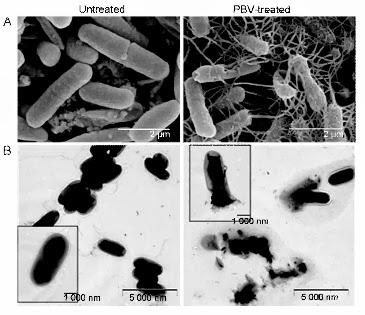
The skin bacterium Propionibacterium acnes was incubated with PBV at various concentrations and bacterial growth was evaluated using the colony forming unit (CFU) assay. The mechanism of PBV employed in killing P. acnes was examined by scanning electron microscopy (SEM) and transmission electron microscopy (TEM). In addition, a total of 12 subjects were randomized in a double-blind, controlled trial to receive either cosmetics containing PBV or cosmetics without PBV for two weeks. Evaluations included lesion counts and skin microorganism.

RESULTS:
PBV exhibited antimicrobial activity in a concentration-dependent manner, reducing the number of P. acnes CFU by approximately 6 logs at a concentration of 0.5 mg. When PBV concentration was higher than 1.0 mg, no P. acnes colonies were spotted on an agar. TEM and SEM of untreated P. acnes illustrated the normal pleomorphic structure, whereas the PBV-treated bacterium lost the integrity of surface architecture. Significant difference (P=0.027) in the grading levels based on numbers of lesion counts for inflammatory and noninflammatory was observed in favour of the PBV group compared with the control group. In terms of average decrement of skin
microorganism, subjects receiving cosmetics containing PBV experienced a significant 57.5% decrease of adenosine triphosphate levels, whereas participants receiving cosmetics without PBV experienced a nonsignificant decrease of 4.7%.

CONCLUSION:
These results show that the in vitro actions of antimicrobial activity of PBV were translated in vivo. Cosmetics containing PBV provided a certain degree of efficacy in terms of lesion counts and skin microorganism concentration compared with cosmetics without PBV in subjects with acne vulgaris. PBV may be a good candidate compound for developing therapeutic drug for the treatment of acne vulgaris.


Monday, September 16, 2013

Propolis Antifungal Action Effective Against Vaginal Infections

The use of propolis as an antifungal agent has been documented in numerous studies and the increasing interest in the pharmaceutical industry to develop a clinical solution is not surprising since the non-toxic effects of propolis outweigh the negative side effects of drugs. Fortunately, propolis already exists as an ovule on the market... 

Evaluation of Mucoadhesive Gels with Propolis (EPP-AF) in Preclinical Treatment of Candidiasis Vulvovaginal Infection

Vulvovaginal candidiasis is the second cause of vaginal infection in the USA. Clinical treatment of C. albicans infections is routinely performed with polyenes and azole derivatives. However, these drugs are responsible for undesirable side effects and toxicity. In addition, C. albicans azole and echinocandin resistance has been described.

Propolis is a bee product traditionally used due to its antimicrobial, anti-inflammatory, and other properties. Therefore, the present work aimed to evaluate different propolis presentations in order to evaluate their in vitro and in vivo efficacy.

The methodologies involved antifungal evaluation, chemical analysis, and the effects of the rheological and mucoadhesive properties of propolis based gels. The obtained results demonstrated the fungicide action of propolis extracts against all three morphotypes (yeast, pseudohyphae, and hyphae) studied. The highest level of fungal cytotoxicity was reached at 6-8 hours of propolis cell incubation. Among the based gel formulations developed, the rheological and mucoadhesive results suggest that propolis based carbopol (CP1%) and chitosan gels were the most pseudoplastic ones. CP1% was the most mucoadhesive preparation, and all of them presented low thixotropy.

Results of in vivo efficacy demonstrated that propolis based gels present antifungal action similar to clotrimazole cream, suggesting that future clinical studies should be performed. 

Tuesday, June 11, 2013

Research Confirms Effectiveness of Propolis

A great recap of modern research, advancing the role of this powerful protector from honey bees. Propolis is an important contribution to modern medicine...

Historical Aspects of Propolis Research in Modern Times

Propolis (bee glue) has been known for centuries. The ancient Greeks, Romans, and Egyptians were aware of the healing properties of propolis and made extensive use of it as a medicine. In the middle ages, propolis was not a very popular topic and its use in mainstream medicine disappeared. However, the knowledge of medicinal properties of propolis survived in traditional folk medicine. The interest in propolis returned in Europe together with the renaissance theory of ad fontes. It has only been in the last century that scientists have been able to prove that propolis is as active and important as our forefathers thought. Research on chemical composition of propolis started at the beginning of the twentieth century and was continued after WW II. Advances in chromatographic analytical methods enabled separation and extraction of several components from propolis. At least 180 different compounds have been identified so far. Its antibacterial, antiseptic, anti-inflammatory, antifungal, anesthetic, and healing properties have been confirmed. Propolis has been effectively used in treatment of dermatological, laryngological, and gynecological problems, neurodegenerative diseases, in wound healing, and in treatment of burns and ulcers…

Conclusion
Propolis is a natural product that has been known and used by man for centuries. It is mainly because man learnt relatively early to exploit the products of domesticated honeybee. Recorded use of propolis dates back to c. 300 BC and continues today in the form of home remedies, toothpastes, creams, ointments, drops, and dietary supplement. Its numerous properties have been appreciated for very long time. However, despite numerous studies conducted all over the world so far, the constitution of propolis remains largely unknown. It requires further research that may lead to new discoveries of its composition and possible applications.

Click here to download the complete PDF.