Sunday, May 22, 2016

Allergy Relief Effective with Propolis

This study reaffirms once again, the holistic effects of propolis on mucous linings of the body, in particular the nasal passageway. Its anti-inflammatory properties also provide anti-allergic effects, ideal for those who suffer from respiratory ailments. Just another amazing product made by honeybees.

Effects of propolis in an experimental rat model of allergic rhinitis


Purpose
The aim of this study was to determine the anti-allergic activity of propolis in an ovalbumin-induced rat model of allergic rhinitis.

Materials and methods
This prospective experimental study was conducted at Hakan Çetinsaya Clinical and Experimental Animal Research Center with 30 rats. After sensitization of all rats with 0.3 mg intraperitoneal ovalbumin plus 30 mg aluminum hydroxide for 14 days (first phase), rats were divided to five groups. In the second phase of the study 10 μL of ovalbumin was applied to each nostril for 21 days. Together with second phase, ketotifen (n:6), oral propolis (n:6), intranasal propolis (n:6) and intranasal mometasone furoate (n:6) were given to rats. A control group (n:4)(salin) and sham group (n:2) were planned. Symptoms were assessed on days 19, 22, 25, 30 and 35, resulting in 5 symptom scores: symptom scores 1–5. On day 35, nasal tissue was removed and histological examination was performed.

Results
When rats that received systemic and intranasal propolis were compared to controls, ciliary loss, inflammation, increase in goblet cells, vascular proliferation, eosinophil count, chondrocytes and allergic rhinitis symptom score were found to be decreased (p < 0.05).

Conclusions
It was found that propolis had anti-allergic effects on allergic symptom scores and nasal histology.

Tuesday, March 29, 2016

Lungs Protected from Pulmonary Fibrosis with Propolis

Frequently found as an aid for pulmonary conditions and respiratory ailments, this study found propolis was better at protecting lungs from the deliberate scarring of bleomycin versus prednisolone and its known negative side effects.

Ultrastructural investigation of the protective effects of propolis on bleomycin induced pulmonary fibrosis
Biotech Histochem. 2016 Mar 9:1-9

We investigated the antioxidant and anti-inflammatory effects of propolis on bleomycin induced lung fibrosis and compared these effects to prednisolone treatment.

Forty rats were divided into four groups of ten: group 1 was treated with intratracheal infusion of 0.2 ml physiological saline followed by daily treatment with 0.5 ml physiological saline for 20 days. In the remaining groups (groups 2 - 4), 5 mg/kg bleomycin was given via the trachea. Rats in group 2 were given 0.5 ml physiological saline. Rats in group 3 were treated with 100 mg/kg propolis, and 10 mg/kg prednisolone was given to rats in group 4.

The treatments for all groups were continued for 20 days. On postoperative day
Histopathology of idiopathic pulmonary fibrosis
PLoS Medicine
21, blood and lung samples were taken for biochemistry, histopathology and electron microscopy evaluation. We compared oxidative stress parameters and found lower malondialdehyde and myeloperoxidase levels, and higher total sulfhydryl levels and catalase activities for the bleomycin + propolis group than for the bleomycin and bleomycin + prednisolone groups. The highest mean fibrosis score was detected in the bleomycin group.


Although the mean fibrosis scores of the bleomycin + propolis and bleomycin + prednisolone groups were not significantly different, electron microscopy revealed that propolis diminished bleomycin induced lung fibrosis more effectively than prednisolone. The effects of propolis might be due to its potent antioxidant and anti-inflammatory properties.


Saturday, February 6, 2016

Propolis Effective in Humans for Antifungal Activity

This study is very exciting proving what's been known for many years - propolis is antifungal. Now, this in-vitro study confirms that patients infected with fungi had a significant reduction, which is very exciting news for those suffering from Lyme Disease and others with allergies associated with mold.

Antifungal Activity of Propolis Against Yeasts Isolated From Blood Culture: In Vitro Evaluation
J ClinLab Anal. 2016 Jan 20

BACKGROUND
Due to the failure of available antifungal agents in the treatment of candidemia and the toxic activities of these drugs, a lot of researches are being conducted to develop new nontoxic and effective antifungal agents for optimal control of fungal pathogens. The aim of this study is to evaluate the in vitro antifungal activity of propolis against yeasts isolated from the blood cultures of intensive care unit patients.

METHODS
Seventy-six strains were included in this study. The in vitro antifungal activity of propolis, fluconazole (FLU), and itraconazole (ITR) was investigated by the microdilution broth methods (CLSI guidelines M27-A3 for yeast). The propolis sample was collected from Kayseri, Turkey.

RESULTS
Of the 76 isolates, 33 were identified as Candida albicans while 37 were C. parapsilosis, three were C. tropicalis, and three were identified as C. glabrata. The geometric mean range for MIC (μg/ml) with regard to all isolates was 0.077 to 3 μg/ml for FLU and ITR, and 0.375 to 0.70 μg/ml for propolis. It was shown that propolis had significant antifungal activity against all Candida strains and the MIC range of propolis was determined as 0185 to 3 μg/ml.
By GrahamColm - Own work, CC BY-SA 3.0,
https://commons.wikimedia.org/w/index.php?curid=10921762


CONCLUSION:
This study demonstrated that propolis had significant antifungal activity against yeasts isolated from blood culture compared with FLU and ITR. The propolis MIC in azole-resistant strains such as C. glabrata was found lower than the FLU MIC.


Saturday, January 23, 2016

Live Longer Eating Bee Products and Keeping Bees

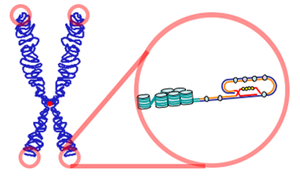
This amazing study confirms that keeping bees and consuming bee products can prolong life! DNA results show chromosomes lengthen rather than shorten over time for beekeepers and for those who consume bee products. So, if you haven't eaten honey, bee pollen, propolis or royal jelly today, then it's time to start. Live longer with Apitherapy! 

The relationship between telomere length and beekeeping among Malaysians
AGE, June 2015, 37:58


Abstract
The belief that beekeepers live longer than anyone else is present since ages. However, no research has been done to explore the longevity of life in beekeepers. Here, we investigated the telomere length in 30 male beekeepers and 30 male non-beekeepers and associated them with the longevity of life using Southern analysis of terminal restriction fragments (TRFs) generated by Hinf I/Rsa I digestion of human genomic DNA using TeloTAGGG Telomere Length Assay. 

Interestingly, we found that the telomere length of male beekeepers was significantly longer than those of male non-beekeepers with a p value of less than 0.05, suggesting that beekeepers may have longer life compared to non-beekeepers. We further found that the consumption of bee products for a long period and frequent consumption of bee products per day are associated with telomere length. An increase of year in consuming bee products is associated with a mean increase in telomere length of 0.258 kbp. In addition, an increase in frequency of eating bee products per day was also associated with a mean increase of 2.66 kbp in telomere length.


These results suggested that bee products might play some roles in telomere length maintenance.


Tuesday, December 29, 2015

Diabetic Wounds Heal Better with Propolis

Enhancing the healing process is a natural aspect of propolis which protects the body as it does the beehive. This has been verified in other studies, yet this study focused on more delicate wound healing conditions, such as those of diabetic mice. Thank goodness for the additional antimicrobial properties of propolis to speed along the healing process. Fortunately, there are preparations of propolis available on the market that address wound healing.

Topical Application of Propolis Enhances Cutaneous Wound Healing by Promoting TGF-Beta/Smad-Mediated Collagen Production in a Streptozotocin-Induced Type I Diabetic Mouse Model

BACKGROUND/AIMS:
Impaired wound healing is considered to be one of the most serious complications associated with diabetes as it significantly increases the susceptibility of patients to infection. Propolis is a natural bee product used extensively in foods and beverages that has significant benefits to human health. In particular, propolis has antioxidant, anti-inflammatory and analgesic effects that could be useful for improving wound healing. In this study, we investigated the effects of topical application of propolis on the healing and closure of diabetic wounds in a streptozotocin (STZ)-induced type I diabetic mouse model.

METHODS:
Sixty male mice were distributed equally into 3 experimental groups: group 1, non-diabetic control mice; group 2, diabetic mice; and group 3, diabetic mice treated daily with a topical application of propolis.

RESULTS:
We found that diabetic mice exhibited delayed wound closure characterized by a significant decrease in the levels of TGF-β1 and a prolonged elevation of the levels of inflammatory cytokines (IL-1β, IL-6 and TNF-α) and MMP9 in wound tissues compared with control non-diabetic mice. Moreover, the wound tissues of diabetic mice showed a marked reduction in the phosphorylation of Smad2 and Smad3 as well as a marked reduction in collagen production. Interestingly, compared with untreated diabetic mice, topical application of propolis significantly enhanced the closure of diabetic wounds and decreased the levels of IL-1β, IL-6, TNF-α and MMP9 to near normal levels. Most importantly, compared with untreated diabetic mice, the treatment of diabetic mice with propolis significantly enhanced the production of collagen via the TGF-β1/Smad2,3 signaling axis in wounded tissues.

CONCLUSION:
Our findings reveal the molecular mechanisms underlying the improved healing and closure of diabetic wounds following topical propolis application.


Saturday, October 31, 2015

Intestinal Linings Protected by Propolis from Radiation

New findings from this study reaffirms the protective effects of propolis from radiation exposure. This is quite impressive, as propolis is documented to work well on mucous linings of the body and protecting organs such as the liver, kidneys and spleen. This study builds upon the rich database of research which continues to reveal this substance as an essential adjuvant for patients undergoing radiation therapy. Furthermore, the anti-cancerous effects that propolis also provides should make physicians eager to incorporate propolis in their protocols.  

Propolis aqueous extract preserves functional integrity of murine intestinal mucosa after exposure to ionizing radiation
Environ Toxicol Pharmacol. 2015 Oct 9;40(3):901-906

Highlights
- Histological and biochemical evidence of intestinal damage seen after irradiation
- Parameters for intestinal function measured in tissue homogenates and plasma
- Propolis extract prevents histological and biochemical radiation-induced changes
- Beneficial effect of propolis water extract due mainly to caffeic acid derivatives

The ability of a specially prepared water propolis extract (PWE) to preserve the functional activity of the intestinal mucosa after radiation exposure was studied. PWE was given orally (650mg/kg) to rats five days prior to irradiation by 6Gy and continued for further two days. Rats were sacrificed 24h later, intestinal segments were examined histologically and homogenates were used to assess relevant biochemical parameters reflecting intestinal injury. Irradiation led to a rise in the histological damage score, a rise in tissue TNF-α and TBARS, and a decrease in sucrase, alkaline phosphatase, GSH and cholecystokinin as well as a decrease in plasma citrulline.

The findings reflect a decrease in intestinal functional activity. PWE preserved the intestinal integrity and largely protected against the changes induced in the histology damage score and all parameters measured, possibly as a result of the antioxidant and anti-inflammatory action of its caffeic acid content.


Friday, September 11, 2015

Dental Plaque Reduced with Propolis Toothpaste

Competing with propolis in the field of dentistry is tough. Propolis responds very well when in contact with mucous linings of the body. This super antioxidant also delivers antimicrobial, antifungal and antiseptic properties which make it very adaptable to numerous conditions found out of balance. A secret in finding good toothpaste is to look for the "propolis. If it's not brown, then it's not significant.

The antiplaque efficacy of propolis-based herbal toothpaste: A crossover clinical study
J Nat Sci Biol Med. 2015 Jul-Dec;6(2):364-8

BACKGROUND:
In recent years, herbal products have been suggested as an economic, safe and probably effective alternative for prevention and control of various oral diseases. But still there are some products which need to be evaluated. Of lately, Propolis is one such product. To assess and compare the efficacy of herbal dentifrice containing Propolis with Miswak and Colgate total toothpastes in controlling plaque formation.


MATERIALS AND METHODS: 
http://www.beehealthyfarms.com/product.php?id_product=85
Propolia propolis herbal toothpaste
A double blind, randomized, crossover study design was conducted among thirty healthy dental students. After oral prophylaxis all subjects were given a washout product for one week period. Subjects were then made to brush with (washout product) for 1 minute followed by 1 minute brushing with assigned test product. The baseline MGMPI plaque scores were recorded. Subjects were then refrained from oral hygiene for 24 hours, and were recalled to be re-disclosed and re-measured for plaque formation. This procedure was repeated according to crossover design after a washout period of (2 week). Statistical tests used were Krukalwallis and Wilcoxon sign rank test.


RESULTS:
There was a significant difference in 24 hour score between the test products evaluated. When the change from baseline to 24 hours was analyzed, the test product Propolis resulted in a consistently and significantly (p < 0.05) lower MGMPI mean scores than the Colgate Total and Miswak toothpastes.

CONCLUSION: 
Propolis was found to be safe and effective in reducing plaque accumulation when compared to Miswak and Colgate total toothpaste.

Click here for the complete PDF of this study.