Friday, December 12, 2014

Muscle Mass Restored with Fresh Bee Pollen

Recognized for many years as a nutritional supplement for athletes, this new study reveals that fresh bee pollen improved metabolism and muscle mass in aged rats. An important revelation for an aging population where malnutrition often surfaces.

Bee Pollen Improves Muscle Protein and Energy Metabolism in Malnourished Old Rats through Interfering with the Mtor Signaling Pathway and Mitochondrial Activity
Nutrients. 2014 Dec 1;6(12):5500-16

Although the management of malnutrition is a priority in older people, this population shows a resistance to refeeding. Fresh bee pollen contains nutritional substances of interest for malnourished people. The aim was to evaluate the effect of fresh bee pollen supplementation on refeeding efficiency in old malnourished rats.

Male 22-month-old Wistar rats were undernourished by reducing food intake for 12 weeks. The animals were then renourished for three weeks with the same diet supplemented with 0%, 5% or 10% of fresh monofloral bee pollen. Due to changes in both lean mass and fat mass, body weight decreased during malnutrition and increased after refeeding with no between-group differences (p < 0.0001).


Rats refed with the fresh bee pollen-enriched diets showed a significant increase in muscle mass compared to restricted rats (p < 0.05). The malnutrition period reduced the muscle protein synthesis rate and mTOR/p70S6kinase/4eBP1 activation, and only the 10%-pollen diet was able to restore these parameters. Mitochondrial activity was depressed with food restriction and was only improved by refeeding with the fresh bee pollen-containing diets.

In conclusion, refeeding diets that contain fresh monofloral bee pollen improve muscle mass and metabolism in old, undernourished rats.


Tuesday, December 2, 2014

Recalcitrant Psoriasis Treated Effectively with Apitherapy

Apitherapy is the use of one or more products from honey bees to heal or prevent diseases. This abstract doesn't specify which bee products were used, but individual studies concerning the dermatological therapeutic effects of propolis, honey, royal jelly and bee venom are numerous. In general, studies in Apitherapy show a 'synergistic effect' when multiple bee products are combined, providing a more potent solution.

Efficacy of the Apitherapy in the treatment of recalcitrant localized plaque psoriasis and evaluation of tumor necrosis factor-alpha (TNF-α) serum level: a Double blind randomized clinical trial
J Dermatolog Treat. 2014 Nov 26:1-19.

Background
No universal consensus about optimal modality for treating the recalcitrant localized plaque psoriasis (RLPP).

Objective
To evaluate the immunological and clinical therapeutic effect of using Apitherapy in the treatment of RLPP.

Methods
Randomized fifty patients with RLPP received Apitherapy (n = 25) and placebo (n = 25) every week. Both treatments were injected into lesions at weekly intervals for a maximum of 12 treatments. Following up was 6 months later. Tumor necrosis factor-alpha (TNF-α) level was measured at pre-study and at 12th week.

Results
A significant difference was found between the therapeutic responses of RLPP to Apitherapy and placebo group (P < 0.001). In the Apitherapy group, complete response was achieved in 92 % of patients. There was statistically significant decrease in TNF-α in Apitherapy group versus placebo group. No recurrence was observed in Apitherapy group.

Conclusion
Apitherapy is effective and safe treatment for recalcitrant localized plaque psoriasis, when other topical or physical therapies have failed.


Sunday, November 23, 2014

Chronic Periodontitis Treated Effectively with Propolis

This clinical study verifies other results which have proven propolis effective as an adjuvant and even as a primary solution for a variety of oral conditions. Regular use of propolis in toothpaste or chewing gum would be well-advised to avoid these issues. 

Propolis as an Adjuvant in the Treatment of Chronic Periodontitis - A Clinicomicrobiologic Study
J Clin Diagn Res. 2014 Sep;8(9):ZC41-4

OBJECTIVES:
This study was aimed at the clinical and microbiological evaluation of the efficacy of subgingivally delivered Indian propolis extract as an adjunct to scaling and root planing (SRP) in the treatment of periodontitis.

MATERIALS AND METHODS:
Twenty patients diagnosed with chronic periodontitis presenting a minimum of two pockets (probing depth ≥5 mm) were selected. Sites were assigned randomly into control sites (n=20) which received SRP alone or test sites (n=20) which received SRP and locally delivered propolis. At selected sites, the clinical parameters were assessed and subgingival plaque samples were collected at baseline, 15 days and one month. The samples were cultured anerobically for periodontal pathogens.

RESULTS:
The results indicated that there was a significant improvement in both clinical and microbiological parameters (p < 0.01) in the test sites compared to the control sites at the end of the study.

CONCLUSION:
Subgingival delivery of propolis showed promising results as an adjunct to SRP in patients with chronic periodontitis when assessed by clinical and microbiological parameters.

Click here to download the complete study.


Monday, November 10, 2014

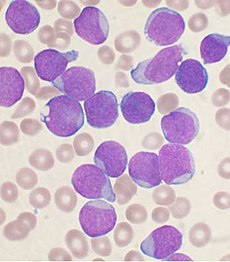
Honey Consumption Reduces Chemotherapy Side Effects

This clinical study reaffirms that honey is medicine. It's therapeutic value improved the health of children suffering from Leukemia. It also enhanced hemoglobin levels, decreased hospital stay and chemotherapy side effects. Whether ill or well, consuming honey has important advantages to improving and maintaining one's health, while preventing unwanted illnesses.

Clinical Trial: The Effects of Honey on Febrile Neutropeniain Children with Acute Lymphoblastic Leukemia
Febrile neutropenia (FN) is a common and serious side effect of chemotherapy. Current management of FN is expensive and may induce side effects. Honey is a natural substance produced by honeybees. It possesses antioxidant, antimicrobial and anticancer effects. In addition, honey is not expensive. 

The aim of this study was to evaluate the effects of 12-week honey consumption on children with acute lymphoblastic leukemia (ALL) particularly with regards of FN episodes. This randomized crossover clinical trial included 40 patients of both sexes, aged 2.5 to 10 years. They were randomized into two equal groups [intervention to control (I/C) and control to intervention (C/I)]. 

The dietary intervention was 12-week honey consumption in a dose of 2.5g//kg body weight per dose twice weekly. The intervention resulted in a significant decrease of FN episodes and duration of hospital admission. Furthermore, the intervention improved the levels of hemoglobin and did not lead to any serious side effect. As a possible effect of honey withdrawal in the I/C group, the Hb%, the absolute neutrophil count and the platelet count decreased. 

This small clinical trial suggests that honey consumption might have positive effects on FN and hematologic parameters of children with ALL.


Friday, October 31, 2014

Anti-Acne Solution Found with Bee Venom

Yet another study confirming the beneficial effects of bee venom in treating acne. Bee venom which has antibacterial, anti-inflammatory properties has advantages over acne medication, as it doesn't exhibit negative side-effects. With the addition of little propolis and honey, this would be a very effective skin treatment.

Inhibitory effects of bee venom on Propionibacterium acnes-induced inflammatory skin disease in an animal model
Int J Mol Med, 2014 Nov;34(5):1341-8

Propionibacterium acnes (P. acnes) is a major contributing factor to the inflammatory component of acne. The many prescription medications for acne allow for a large number of potential combination treatments. However, several antibiotics, apart from their antibacterial effects, exert side‑effects, such as the suppression of host inflammatory responses. Purified bee venom (BV) is a natural toxin produced by honeybees (Apis mellifera L.). BV has been widely used as a traditional medicine for various diseases.

In the present study, to investigate the therapeutic effects of BV against P. acnes-induced inflammatory skin disease, P. acnes was intradermally injected into the ears of mice. After the injection, BV was applied to the skin surface of the right ear. Histological observation revealed that P. acnes induced a considerable increase in the number of infiltrated inflammatory cells. However, treatment with BV markedly reduced these reactions compared with the P. acnes-injected mice not treated with BV. Moreover, the expression levels of tumor necrosis factor (TNF)-α, and interleukin (IL)-1β were significantly reduced in the BV-treated mice compared with the untreated P. acnes-injected mice. 

In addition, treatment with BV significantly inhibited Toll-like receptor (TLR)2 and CD14 expression in P. acnes-injected tissue. The binding activity of nuclear factor-κB (NF-κB) and activator protein (AP)-1 was markedly suppressed following treatment with BV. The results from our study, using an animal model, indicate that BV exerts an inhibitory effect on inflammatory skin diseases.

In conclusion, our data indicate that BV has potential for use as an anti-acne agent and may be useful in the pharmaceutical and cosmetics industries.


Monday, October 27, 2014

Honey and Milk Effective For Coughs As OTC Medication

Interesting results from a study using a honey and milk mixture which performed as good as over-the-counter medication. Previous studies have also confirmed that honey alone works better at treating acute coughs as OTC medication.

Effect of multiple honey doses on non-specific acute cough in children. An open randomised study and literature review
Allergol Immunopathol (Madr). 2014 Sep 5. pii: S0301-0546(14)00129-3

BACKGROUND:
Honey is recommended for non-specific acute paediatric cough by the Australian guidelines. Current available randomised clinical trials evaluated the effects of a single evening dose of honey, but multiple doses outcomes have never been studied.

OBJECTIVES:
To evaluate the effects of wildflower honey, given for three subsequent evenings, on non-specific acute paediatric cough, compared to dextromethorphan (DM) and levodropropizine (LDP), which are the most prescribed over-the-counter (OTC) antitussives in Italy.

METHODS:
134 children suffering from non-specific acute cough were randomised to receive for three subsequent evenings a mixture of milk (90ml) and wildflower honey (10ml) or a dose of DM or LDP adjusted for the specific age. The effectiveness was evaluated by a cough questionnaire answered by parents. Primary end-point efficacy was therapeutic success. The latter was defined as a decrease in cough questionnaire score greater than 50% after treatment compared with baseline values.

RESULTS:
Three children were excluded from the study, as their parents did not complete the questionnaire. Therapeutic success was achieved by 80% in the honey and milk group and 87% in OTC medication group (p=0.25).

CONCLUSIONS:
Milk and honey mixture seems to be at least as effective as DM or LDP in non-specific acute cough in children. These results are in line with previous studies, which reported the health effects of honey on paediatric cough, even if placebo effect cannot be totally excluded.


Tuesday, October 14, 2014

Propolis Detoxifies Cancer Drug Side Effects

A consistent thread in all studies involving bee propolis is its complementary effects, whether it enhances the drug or protects the body from negative side effects. This study determined that propolis detoxified the liver and kidney from the toxic effects of this cancer drug. Ironically, propolis is also proven to enhance the tumor destructive power of breast cancer medication. It would be well-recommended for anyone preparing to undergo chemotherapy, to take propolis daily before, during and after treatment...

Ameliorative effect of propolis against cyclophosphamide-induced toxicity in mice
Pharm Biol, 2014 Oct 7:1-7. [Epub ahead of print]

Context
Cyclophosphamide (CTX) is a common anticancer agent used for the treatment of several malignancies. However, upon treatment, it induces severe toxicity due to its oxidative stress capability. Propolis, a natural product collected by honey bees, has shown several biological activities, such as free radical scavenging and antioxidant agent.

Objective
This study elucidates the protective effects of propolis against CTX-induced changes in mice. Materials and methods: Forty-eight male Swiss albino mice were divided into four groups; group 1 was intraperitoneally (i.p.) injected with 200 µL of phosphate buffer saline (PBS), group 2 was injected with 100 mg/kg/d propolis, group 3 was injected with a single dose of CTX (200 mg/kg), and group 4 was injected with a single dose of CTX (200 mg/kg) followed by propolis (100 mg/kg) for 7 consecutive days. After 12 d, mice were bled and then sacrificed to analyze the hematological, biochemical, and histological parameters.

Results
The results indicated that CTX-injected mice showed an increase in the levels of alanine aminotransferase (ALT), aspartate aminotransferase (AST), urea, and creatinine and a decrease in the total number of white blood cells (WBCs) and platelets. Moreover, dramatical changes in the histological architectures of the liver and kidney were observed. The mice that were injected with CTX/propolis showed an improvement in the levels of ALT, AST, urea, creatinine, WBCs, and platelets. Moreover, the histological picture of the liver and kidney was significantly improved.


Conclusions
In conclusion, propolis might be considered an effective agent in ameliorating the toxicity resulted from CTX treatment.