Showing posts with label antimicrobial. Show all posts

Thursday, March 12, 2015

Honey: A Realistic Antimicrobial for Skin Disorders

A reassuring assessment of the antimicrobial properties of honey without singling out any particular nectar source. More importantly, it reinforces honey's value in reversing antimicrobial resistance...

Honey: A realistic antimicrobial for disorders of the skin

Resistance of pathogenic microorganisms to antibiotics is a serious global health concern. In this review, research investigating the antimicrobial properties of honeys from around the world against skin relevant microbes is evaluated.

A plethora of in vitro studies have revealed that honeys from all over the world have potent microbicidal activity against dermatologically important microbes. Moreover, in vitro studies have shown that honey can reduce microbial pathogenicity as well as reverse antimicrobial resistance. Studies investigating the antimicrobial properties of honey in vivo have been more controversial.

It is evident that innovative research is required to exploit the antimicrobial properties of honey for clinical use and to determine the efficacy of honey in the treatment of a range of skin disorders with a microbiological etiology. 


Wednesday, December 31, 2014

Royal Jelly Proteins Mapped via Phosphorylation

With this new mapping of royal jelly proteins, future studies will examine not only the antimicrobial aspects of this magnificent product produced for the queen, but numerous other beneficial effects already documented.

In-Depth Phosphoproteomic Analysis of Royal Jelly Derived from Western and Eastern Honeybee Species
J. Proteome Res., 2014, 13 (12), pp 5928–5943

The proteins in royal jelly (RJ) play a pivotal role in the nutrition, immune defense, and cast determination of honeybee larvae and have a wide range of pharmacological and health-promoting functions for humans as well. Although the importance of post-translational modifications (PTMs) in protein function is known, investigation of protein phosphorylation of RJ proteins is still very limited.

To this end, two complementary phosphopeptide enrichment materials (Ti4+-IMAC and TiO2) and high-sensitivity mass spectrometry were applied to establish a detailed phosphoproteome map and to qualitatively and quantitatively compare the phosphoproteomes of RJ produced by Apis mellifera ligustica (Aml) and Apis cerana cerana (Acc). In total, 16 phosphoproteins carrying 67 phosphorylation sites were identified in RJ derived from western bees, and nine proteins phosphorylated on 71 sites were found in RJ produced by eastern honeybees. Of which, eight phosphorylated proteins were common to both RJ samples, and the same motif ([S-x-E]) was extracted, suggesting that the function of major RJ proteins as nutrients and immune agents is evolutionary preserved in both of these honeybee species

All eight overlapping phosphoproteins showed significantly higher abundance in Acc-RJ than in Aml-RJ, and the phosphorylation of Jelleine-II (an antimicrobial peptide, TPFKLSLHL) at S6 in Acc-RJ had stronger antimicrobial properties than that at T1 in Aml-RJ even though the overall antimicrobial activity of Jelleine-II was found to decrease after phosphorylation. The differences in phosphosites, peptide abundance, and antimicrobial activity of the phosphorylated RJ proteins indicate that the two major honeybee species employ distinct phosphorylation strategies that align with their different biological characteristics shaped by evolution. The phosphorylation of RJ proteins are potentially driven by the activity of extracellular serine/threonine protein kinase FAM20C-like protein (FAM20C-like) through the [S-x-E] motif, which is supported by evidence that mRNA and protein expression of FAM20C-like protein kinase are both found in the highest level in the hypopharyngeal gland of nurse bees.

Our data represent the first comprehensive RJ phosphorylation atlas, recording patterns of phosphorylated RJ protein abundance and antibacterial activity of some RJ proteins in two major managed honeybee species. These data constitute a firm basis for future research to better understand the biological roles of each RJ protein for honeybee biology and human health care.


Sunday, November 23, 2014

Chronic Periodontitis Treated Effectively with Propolis

This clinical study verifies other results which have proven propolis effective as an adjuvant and even as a primary solution for a variety of oral conditions. Regular use of propolis in toothpaste or chewing gum would be well-advised to avoid these issues. 

Propolis as an Adjuvant in the Treatment of Chronic Periodontitis - A Clinicomicrobiologic Study
J Clin Diagn Res. 2014 Sep;8(9):ZC41-4

OBJECTIVES:
This study was aimed at the clinical and microbiological evaluation of the efficacy of subgingivally delivered Indian propolis extract as an adjunct to scaling and root planing (SRP) in the treatment of periodontitis.

MATERIALS AND METHODS:
Twenty patients diagnosed with chronic periodontitis presenting a minimum of two pockets (probing depth ≥5 mm) were selected. Sites were assigned randomly into control sites (n=20) which received SRP alone or test sites (n=20) which received SRP and locally delivered propolis. At selected sites, the clinical parameters were assessed and subgingival plaque samples were collected at baseline, 15 days and one month. The samples were cultured anerobically for periodontal pathogens.

RESULTS:
The results indicated that there was a significant improvement in both clinical and microbiological parameters (p < 0.01) in the test sites compared to the control sites at the end of the study.

CONCLUSION:
Subgingival delivery of propolis showed promising results as an adjunct to SRP in patients with chronic periodontitis when assessed by clinical and microbiological parameters.

Click here to download the complete study.


Monday, July 28, 2014

Shelf Life Extended By Using Propolis as Natural Antioxidant

Normally, studies conducted on the antioxidant and antimicrobial properties of propolis are for improving the health of humans and other living beings. This study applies these properties in a practical manner - as a natural food preservative.

Antioxidant and Antimicrobial Activity of Commercial Propolis Extract in Beef Patties

Abstract:
The objective of this study was to evaluate the efficacy of propolis extract (PE) to reduce lipid oxidation and microbial growth on beef patties during refrigerated storage. Beef patties were manufactured by incorporating PE in 4 different treatments: (1) Control (no PE addition); (2) commercial propolis 1 (2% w/w; CP1); (3) commercial propolis 2 (2% w/w; CP2); and (4) noncommercial propolis (2% w/w; NCP). Raw patties were wrapped with polyvinyl chloride and stored at 2 °C for 8 d.

Total phenolic content (TPC), free-radical scavenging activity (FRS), and polyphenolic content of the PE were evaluated using high-performance liquid chromatography (HPLC). Lipid oxidation (thiobarbituric acid-reactive substances (TBARS), conjugated dienes (CnDs), metmyoglobin (MetMb%), pH variation, and color (L*, a*, b*, C*, and h*), and microbial growth (mesophilic and psychrotrophic bacteria) of patty samples were measured. NCP treatment demonstrated the highest FRS (64.8% at 100 μg/mL), which correlated with TPC and the presence of polyphenolic compounds.

Lipid oxidation (78.54%, TBARS; 45.53%, CnD; 58.57%, MetMb) and microbial mesophilic and psychrotrophic growth (19.75 and 27.03%, respectively) values were reduced by NCP treatment in refrigerated samples after 8 d. These results indicate that PE has great potential as a natural antioxidant and antimicrobial additive to extend the shelf life of beef patties.

Practical Application:
In this work, the results indicate that propolis reduced lipid oxidation and microbial growth, thereby extending meat sample shelf life. Propolis should be considered for use as an alternative to commercially available antioxidants that are currently used in meat products.

Monday, May 26, 2014

Volatile Oils in Propolis are Chemically Diverse, Biologically Active

New studies on the volatile compounds in propolis are growing rapidly. It's not surprising as the strength of propolis makes it a powerful, preventative and protective agent with complementary effects when combined with allopathic treatment.

Propolis Volatile Compounds: Chemical Diversity and Biological Activity: A Review

Propolis is a sticky material collected by bees from plants, and used in the hive as building material and defensive substance. It has been popular as a remedy in Europe since ancient times. Nowadays, propolis use in over-the-counter preparations, "bio"-cosmetics and functional foods, etc., increases.

Volatile compounds are found in low concentrations in propolis, but their aroma and significant biological activity make them important for propolis characterisation. Propolis is a plant-derived product: its chemical composition depends on the local flora at the site of collection, thus it offers a significant chemical diversity. The role of propolis volatiles in identification of its plant origin is discussed. The available data about chemical composition of propolis volatiles from different geographic regions are reviewed, demonstrating significant chemical variability. The contribution of volatiles and their constituents to the biological activities of propolis is considered.


Future perspectives in research on propolis volatiles are outlined, especially in studying activities other than antimicrobial.

Click here to view entire paper.

Wednesday, May 14, 2014

Chestnut Honey Exhibits High Antimicrobial Effect on E coli, Salmonella

This study highlights the importance of honey floral sources for antimicrobial usage, stressing the need for further studies using honey to stop the spread of resistant bacteria... 

Antimicrobial potential of Sicilian honeys against commensal Escherichia coli and pathogenic Salmonella serovar infantis

J Prev Med Hyg. 2013 Dec

INTRODUCTION:
The purpose of this study was to investigate the antibacterial effect of 71 locally produced honeys from different botanical sources collected from apiarist's open markets in Sicily.

METHODS:
Antimicrobial activity was determined against Escherichia coli (ATCC 25922) and Salmonella serovar Infantis (ATCC 1523) by an agar-diffusion assay from the estimation of the diameter of the inhibition zone produced by the honeys. Statistically) significant differences (P < .000) regarding inhibition were observed for the honeys tested.

RESULTS:
The chestnut and polyfloral honey samples exhibited the largest and highest inhibition (diameter of the inhibition zone > 25 mm) against both E. coli and S. Infantis. The honey of oregano origin showed intermediate or low activity against E. coli and S. Infantis, respectively. Prickly pear and erica honeys showed no antimicrobial activity against the two reference strains.

DISCUSSION:
The results may partially suggest the usefulness of the Sicilian honeys on treating multi-resistant enterobacteria. In light of the enormous potential for application of honey in the clinical practice, it is important that research continues not only into those honeys well recognized as antimicrobial, but also into other locally produced and yet untested honeys.

Monday, November 18, 2013

Bees Selectively Choose Antimicrobial Propolis Components

This is an amazing study which identifies the honey bees ability to discern between plants which can best maintain the health of the beehive. Carefully selecting the antimicrobial properties of specific resins provides additional confidence in that honey bees have an inate ability to choose only the "good stuff" which goes into propolis...

Metabolomics reveals the origins of antimicrobial plant resins collected by honey bees
PLoS One, 2013 Oct 18


The deposition of antimicrobial plant resins in honey bee, Apis mellifera, nests has important physiological benefits. Resin foraging is difficult to approach experimentally because resin composition is highly variable among and between plant families, the environmental and plant-genotypic effects on resins are unknown, and resin foragers are relatively rare and often forage in unobservable tree canopies. Subsequently, little is known about the botanical origins of resins in many regions or the benefits of specific resins to bees.

We used metabolomic methods as a type of environmental forensics to track individual resin forager behavior through comparisons of global resin metabolite patterns. The resin from the corbiculae of a single bee was sufficient to identify that resin's botanical source without prior knowledge of resin composition. Bees from our apiary discriminately foraged for resin from eastern cottonwood (Populus deltoides), and balsam poplar (P. balsamifera) among many available, even closely related, resinous plants. Cottonwood and balsam poplar resin composition did not show significant seasonal or regional changes in composition. Metabolomic analysis of resin from 6 North American Populus spp. and 5 hybrids revealed peaks characteristic to taxonomic nodes within Populus, while antimicrobial analysis revealed that resin from different species varied in inhibition of the bee bacterial pathogen, Paenibacillus larvae.


resin gatherer in the beehive
We conclude that honey bees make discrete choices among many resinous plant species, even among closely related species. Bees also maintained fidelity to a single source during a foraging trip. Furthermore, the differential inhibition of P. larvae by Populus spp., thought to be preferential for resin collection in temperate regions, suggests that resins from closely related plant species many have different benefits to bees.

Friday, October 11, 2013

Bee Venom Cosmetic Helps Treat Acne

Bee venom is on the rise as a new cosmetic ingredient, rejuvenating skin as an alternative to injections of Botox®, is now proven to stop the growth of acne. It's antibacterial and anti-inflammatory properties make it a promising new compound...

Effects of cosmetics containing purified honeybee (Apis mellifera L.) venom on acne vulgaris
J Integr Med, 2013, Sept.


OBJECTIVE:
Acne vulgaris is a chronic dermatologic problem with multiple factors involved in its pathogenesis. Alternative solutions to acne treatment were instigated by antibiotic resistance despite of its extensive use. Purified bee venom (PBV) has been proposed as a promising candidate for that purpose. The present study was designed to confirm the antibacterial effect of PBV and access the efficacy of cosmetics containing PBV in subjects with acne vulgaris.

METHODS:
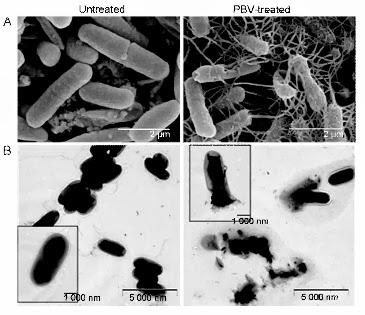
The skin bacterium Propionibacterium acnes was incubated with PBV at various concentrations and bacterial growth was evaluated using the colony forming unit (CFU) assay. The mechanism of PBV employed in killing P. acnes was examined by scanning electron microscopy (SEM) and transmission electron microscopy (TEM). In addition, a total of 12 subjects were randomized in a double-blind, controlled trial to receive either cosmetics containing PBV or cosmetics without PBV for two weeks. Evaluations included lesion counts and skin microorganism.

RESULTS:
PBV exhibited antimicrobial activity in a concentration-dependent manner, reducing the number of P. acnes CFU by approximately 6 logs at a concentration of 0.5 mg. When PBV concentration was higher than 1.0 mg, no P. acnes colonies were spotted on an agar. TEM and SEM of untreated P. acnes illustrated the normal pleomorphic structure, whereas the PBV-treated bacterium lost the integrity of surface architecture. Significant difference (P=0.027) in the grading levels based on numbers of lesion counts for inflammatory and noninflammatory was observed in favour of the PBV group compared with the control group. In terms of average decrement of skin
microorganism, subjects receiving cosmetics containing PBV experienced a significant 57.5% decrease of adenosine triphosphate levels, whereas participants receiving cosmetics without PBV experienced a nonsignificant decrease of 4.7%.

CONCLUSION:
These results show that the in vitro actions of antimicrobial activity of PBV were translated in vivo. Cosmetics containing PBV provided a certain degree of efficacy in terms of lesion counts and skin microorganism concentration compared with cosmetics without PBV in subjects with acne vulgaris. PBV may be a good candidate compound for developing therapeutic drug for the treatment of acne vulgaris.


Monday, September 16, 2013

Propolis Antifungal Action Effective Against Vaginal Infections

The use of propolis as an antifungal agent has been documented in numerous studies and the increasing interest in the pharmaceutical industry to develop a clinical solution is not surprising since the non-toxic effects of propolis outweigh the negative side effects of drugs. Fortunately, propolis already exists as an ovule on the market... 

Evaluation of Mucoadhesive Gels with Propolis (EPP-AF) in Preclinical Treatment of Candidiasis Vulvovaginal Infection

Vulvovaginal candidiasis is the second cause of vaginal infection in the USA. Clinical treatment of C. albicans infections is routinely performed with polyenes and azole derivatives. However, these drugs are responsible for undesirable side effects and toxicity. In addition, C. albicans azole and echinocandin resistance has been described.

Propolis is a bee product traditionally used due to its antimicrobial, anti-inflammatory, and other properties. Therefore, the present work aimed to evaluate different propolis presentations in order to evaluate their in vitro and in vivo efficacy.

The methodologies involved antifungal evaluation, chemical analysis, and the effects of the rheological and mucoadhesive properties of propolis based gels. The obtained results demonstrated the fungicide action of propolis extracts against all three morphotypes (yeast, pseudohyphae, and hyphae) studied. The highest level of fungal cytotoxicity was reached at 6-8 hours of propolis cell incubation. Among the based gel formulations developed, the rheological and mucoadhesive results suggest that propolis based carbopol (CP1%) and chitosan gels were the most pseudoplastic ones. CP1% was the most mucoadhesive preparation, and all of them presented low thixotropy.

Results of in vivo efficacy demonstrated that propolis based gels present antifungal action similar to clotrimazole cream, suggesting that future clinical studies should be performed. 

Tuesday, July 23, 2013

Antimicrobial Properties of Honey Confirmed

This review confirms why and how numerous studies have proven that honey has antimicrobial properties. Elsewhere on this blog, you'll find studies recommending daily consumption of honey to avoid chronic diseases... 

Antimicrobial Properties of Honey

Honey has been widely accepted as food and medicine by all generations, traditions, and civilizations, both ancient and modern. For at least 2700 years, honey has been used by humans to treat a variety of ailments through topical application, but only recently have the antiseptic and antimicrobial properties of honey been discovered. Honey has been reported to be effective in a number of human pathologies. Clinical studies have demonstrated that application of honey to severely infected cutaneous wounds rapidly clears infection from the wound and improves tissue healing.

A large number of in vitro and limited clinical studies have confirmed the broad-spectrum antimicrobial (antibacterial, antifungal, antiviral, and antimycobacterial) properties of honey, which may be attributed to the acidity (low pH), osmotic effect, high sugar concentration, presence of bacteriostatic and bactericidal factors (hydrogen peroxide, antioxidants, lysozyme, polyphenols, phenolic acids, flavonoids, methylglyoxal, and bee peptides), and increase in cytokine release, and to immune modulating and anti-inflammatory properties of honey; the antimicrobial action involves several mechanisms.

Despite a large amount of data confirming the antimicrobial activity of honey, there are no studies that support the systemic use of honey as an antibacterial agent.


Monday, June 17, 2013

Multiresistant Pathogens Inhibited by Numerous Honeys

All honey, if treated correctly, will express the same types of therapeutic activity. It's the heating and filtering of honey by large companies processing massive amounts that ruin the healthy enyzmes resident in it and weaken or destroy its healing qualities...

Differences in Composition of Honey Samples and Their Impact on the Antimicrobial Activities against Drug Multiresistant Bacteria and Pathogenic Fungi

Background and Aims
Antibiotic multiresistant microbes represent a challenging problem. Because honey has a potent antibacterial property, the antimicrobial effects of different honey samples against multiresistant pathogens and their compositions were investigated.

Methods
Five honey samples were used: Talah, Dhahian, Sumra-1, Sidr, and Sumra-2. Samples were analyzed to determine chemical composition such as fructose, glucose, sucrose, pH, total flavonoids, total phenolics, hydrogen peroxide concentration, minerals and trace elements. Antimicrobial activities of the samples against 17 (16 were multiresistant) human pathogenic bacteria and three types of fungi were studied. Specimens of the isolates were cultured into 10 mL of 10–100% (volume/volume) honey diluted in broth. Microbial growth was assessed on a solid plate media after 24 h and 72 h incubation.

Results
The composition of honey samples varied considerably. Sumra 1 and 2 contained the highest level of flavonoids and phenolics and the lowest level of hydrogen peroxide, whereas Dhahian honey contained the highest level of hydrogen peroxide. Sixteen pathogens were antibiotic multiresistant. A single dose of each honey sample inhibited all the pathogens tested after 24 h and 72 h incubation. The most sensitive pathogens were Aspergillus nidulans, Salmonella typhimurum and Staphylococcus epidermidis (S. epidermidis). Although there was no statistically significant difference in the effectiveness of honey samples, the most effective honey against bacteria was Talah and against fungi were Dhahian and Sumra-2.

Conclusions
Various honey samples collected from different geographical areas and plant origins showed almost similar antimicrobial activities against multiresistant pathogens despite considerable variation in their composition. Honey may represent an alternative candidate to be tested as part of management of drug multiresistant pathogens.

Thursday, April 4, 2013

Polyphenolic Content in Honey Has Medicinal Benefits

Honey with its long history in tradition, now has proof confirming its claims. Honeybees transform a plant product, nectar, without removing the good stuff. Phenolic content is what makes honey is so adaptable to so many therapies. Thanks to New Zealand beekeepers who've worked hard to make Manuka Honey acceptable in surgical settings. The fact is, there are a lot of monofloral honeys worldwide that have equal or superior health benefits. The march continues...


Honey as a Source of Dietary Antioxidants: Structures, Bioavailability and Evidence of Protective Effects Against Human Chronic Diseases
Curr MedChem 2013, vol 20, issue 5, pages 621-638

In the long human tradition honey has been used not only as a nutrient but also as a medicine. Its composition is rather variable and depends on the floral source and on external factors, such as seasonal, environmental conditions and processing.

In this review, specific attention is focused on absorption, metabolism, and beneficial biological activities of honey compounds in human. Honey is a supersaturated solution of sugars, mainly composed of fructose (38%) and glucose (31%), containing also minerals, proteins, free amino acids, enzymes, vitamins and polyphenols. Among polyphenols, flavonoids are the most abundant and are closely related to its biological functions. Honey positively affects risk factors for cardiovascular diseases by inhibiting inflammation, improving endothelial function, as well as the plasma lipid profile, and increasing low-density lipoprotein resistance to oxidation. Honey also displays an important antitumoral capacity, where polyphenols again are considered responsible for its complementary and overlapping mechanisms of chemopreventive activity in multistage carcinogenesis, by inhibiting mutagenesis or inducing apoptosis.

Moreover, honey positively modulates the glycemic response by reducing blood glucose, serum fructosamine or glycosylated hemoglobin concentrations and exerts antibacterial properties caused by its consistent amount of hydrogen peroxide and non-peroxide factors as flavonoids, methylglyoxal and defensin-1 peptide.

In conclusion, the evidence of the biological actions of honey can be ascribed to its polyphenolic contents which, in turn, are usually associated to its antioxidant and anti-inflammatory actions, as well as to its cardiovascular, antiproliferative and antimicrobial benefits.


Tuesday, February 12, 2013

Propolis Outperforms Periodontal Medication

A well-known fact, Propolis is very effective when used to treat conditions in the mucous linings of the body. From the mouth, nose, throat, lungs, intestinal tract and the organs therein, propolis exhibits a protective effect that is consistent, no matter the origin of the Propolis. So, start out with a good propolis toothpaste and continue consuming propolis daily...


Microparticles Containing Propolis and Metronidazole: in vitro Characterization, Release Study and Antimicrobial Activity Against Periodontal Pathogens
Pharm DevTechnol, 2013 Jan 28

Abstract:
Ethylcellulose microparticles containing metronidazole and propolis extractive solution were prepared and evaluated in vitro against periodontal pathogens.
Scanning electron microscopy, particle size analysis, drug entrapment efficiency and drug release of microparticles were determined. The antimicrobial activity of microparticles was evaluated against microorganisms of periodontal importance (Enterococcus faecalis, Streptococcus pyogenes, Streptococcus mutans, Staphylococcus aureus, Klebsiella pneumoniae and Escherichia coli). It was obtained particles with regular morphology, mean diameter of 1.23 µm, and entrapment efficiency for propolis and metronidazole were 91.41% and 22.23%, respectively. In vitro release studies of propolis and metronidazole from microparticles showed prolonged drug release and controlled by Fickian diffusion.
Both propolis and metronidazole displayed activity against the tested strains. Moreover, the results showed that the strains of E. faecalis, S. pyogenes and S. mutans were more susceptible to the propolis and E. faecalis to the metronidazole. It was also observed that the amount of metronidazole to inhibit the microorganism strains in the physical mixture with propolis was smaller than in the metronidazole alone, suggesting potentiation effect between propolis and metronidazole.
These microparticles would be useful for developing intermediary or eventual dosage form to be administered into the periodontal pocket more easily and safely.


Friday, January 25, 2013

Propolis Effective in Treating Vaginal Thrush

Already recognized for its antifungal capacity, propolis is also effective in treating vaginal conditions. Propolis ovules have seen dramatic results, in and out of controlled studies. It's exciting to see this study confirm the anecdotal reports from patients and clients...

Preparation and characterization of mucoadhesive thermoresponsive systems containing propolis for the treatment of vulvovaginal candidiasis

Abstract
This work describes the preparation and characterization of mucoadhesive thermoresponsive systems consisted of poloxamer 407 (P407), Carbopol® 934P (C934P), and propolis to treat vulvovaginal candidiasis (VVC).
Systems were obtained with different percentages of P407 and C934P to deliver propolis, a potent drug against VVC. Temperature of gelation, hardness, compressibility, adhesiveness, elasticity, cohesiveness, mucoadhesion, rheology (continuous flow and oscillatory), in vitro drug release, and antimicrobial activity were evaluated. Increasing the polymer content or temperature and the drug presence significantly increased mechanical properties of formulations. These exhibited pseudoplastic flow and low degrees of thixotropy. In most samples, increasing the C934P content significantly changed the oscillatory rheological properties. Formulations showed thermoresponsive behavior, existing as a liquid at room temperature and gel at 34°C–37°C. Propolis release from formulations was controlled by phenomenon of relaxation of polymer chains or displayed anomalous behavior, dependent of concentration of each polymer. The in vitro antimicrobial activity of preparations was evaluated against microorganisms of vaginal importance (Candida albicans, Candida glabrata, Candida parapsilosis, Candida tropicalis, and Saccharomyces cerevisiae), displaying activity against all yeast tested.

The data obtained for these systems indicate a potentially useful role in the treatment of VVC and suggest they are worthy of clinical evaluation.


Wednesday, January 16, 2013

Propolis Flavonoid Has Chemotherapeutic Effect

Propolis has numerous flavonoids, each with certain properties, frequently overlapping with other bioflavonoids. Such is the case with Galangin, a flavonoid commonly identified in areas where Poplar trees are present. It also possesses antimicrobial, antimycotic (anti-fungal), bacteriostatic and wound healing properties... 

Galangin Induces B16F10 Melanoma Cell Apoptosis Via Mitochondrial Pathway and Sustained Activation of p38 MAPK
Cytotechnology, 2012 Sep 22

Galangin, an active flavonoid present at high concentration in Alpinia officinarum Hance and propolis, shows cytotoxicity towards several cancer cell lines, including melanoma. However, the specific cellular targets of galangin-induced cytotoxicity in melanoma are still unknown.

Here, we investigated the effects of galangin in B16F10 melanoma cells and explored the possible molecular mechanisms. Galangin significantly decreased cell viability of B16F10 cells, and also induced cell apoptosis shown by Hoechst 33342 staining and Annexin V-PI double staining flow cytometric assay.

Furthermore, upon galangin treatment, disruption of mitochondrial membrane potential was observed by JC-1 staining. Western blotting analysis indicated that galangin activated apoptosis signaling cascades by cleavage of procaspase-9, procaspase-3 and PARP in B16F10 cells. Moreover, galangin significantly induced activation of phosphor-p38 MAPK in a time and dose dependent manner. SB203580, an inhibitor of p38, partially attenuated galangin-induced apoptosis in B16F10 cells.

Taken together, this work suggests that galangin has the potential to be a promising agent for melanoma treatment and may be further evaluated as a chemotherapeutic agent.


Tuesday, January 15, 2013

Honey Protects Humans From Chronic Diseases

This is a gem of a study! It identifies several important elements 1) role of phenolic compounds, i.e., nectar sources 2) flavonoids aid human health 3) positive glycemic effect. Now, beekeepers need to improve processing practices that preserve these elements and educate consumers honey is also medicine and should not be clear as water and remain liquid for life (except for a few rare sources, such as Acacia Honey)...


Honey as a Source of Dietary Antioxidants: Structures, Bioavailability and Evidence of Protective Effects Against Human Chronic Diseases
Curr MedChem, 2012 Dec 28

In the long human tradition honey has been used not only as a nutrient but also as a medicine. Its composition is rather variable and depends on the floral source and on external factors, such as seasonal, environmental conditions and processing.

In this review, specific attention is focused on absorption, metabolism, and beneficial biological activities on human health of honey compounds.
Honey is a supersaturated solution of sugars, mainly composed of fructose (38%) and glucose (31%), containing also minerals, proteins, free amino acids, enzymes, vitamins and polyphenols. Among polyphenols, flavonoids are the most abundant and are closely related to its biological functions.

Honey positively affects risk factors for cardiovascular diseases by inhibiting inflammation, improving endothelial function, as well as the plasma lipid profile, and increasing low-density lipoprotein resistance to oxidation. Honey also displays an important antitumoral capacity, where polyphenols again are considered responsible for its complementary and overlapping mechanisms of chemopreventive activity in multistage carcinogenesis, by inhibiting mutagenesis or inducing apoptosis.

Moreover, honey positively modulates the glycemic response by reducing blood glucose, serum fructosamine or glycosylated hemoglobin concentrations and exerts antibacterial properties caused by its consistent amount of hydrogen peroxide and non-peroxide factors as flavonoids, methylglyoxal and defensin-1 peptide.

In conclusion, the evidence of the biological actions of honey can be ascribed to its polyphenolic contents which, in turn, are usually associated to its antioxidant and anti-inflammatory actions, as well as to its cardiovascular, antiproliferative and antimicrobial benefits.


Saturday, October 20, 2012

Root Canal Disinfection Possible with Propolis

The consistent findings in studies regarding propolis is that it works incredibly well in the mucous linings of the body. Not just in the mouth, throat and lungs, but also the intestinal tract and vaginal cavity as well... 


Propolis: A New Alternative for Root Canal Disinfection
Iran Endod J, 2012 Summer

This study evaluated and compared colony forming units (CFUs) and minimum inhibitory concentrations (MICs) of calcium hydroxide and propolis as intracanal medicaments.

MATERIALS AND METHODS:
Eighty human single-root and caries-free teeth were selected and divided into five groups. Crowns were removed. Root canals were then prepared in a step-back manner. The samples were then inoculated by Enterococcus (E.) faecalis and incubated for 21 days. Intracanal medications were applied including, calcium hydroxide (n=20), propolis (n=20), and ethanol (n=20). Two groups of 10 teeth were also used as the positive and negative controls. Microbiological sampling was performed utilizing a piezo-reamer drill after one week of incubation. The samples were plated and CFUs were counted after 48 hours. MICs of calcium hydroxide and propolis were measured by serial dilution and agar dilution methods, respectively. The statistical tests of ANOVA and Duncan post-hoc were used to compare different medications.

RESULTS:
MICs and CFUs of propolis were dramatically less than calcium hydroxide. The difference between the groups was statistically significant.

CONCLUSION:
Our results reveal that propolis is an effective antimicrobial intracanal agent


Wednesday, September 12, 2012

Propolis Effective Against Gum Disease

Minimize visits to the dentist and start using propolis toothpaste everyday. If surgery is required, use propolis extract to heal the wounds faster. This has been validated through personal experience. Click on article link for a copy of the propolis extract formula used...  


Honeybee Propolis Extract in Periodontal Treatment: A Clinical and Microbiological Study of Propolis in Periodontal Treatment
Indian JDent Res, 2012 Mar. 23
Objective: 
This study was conducted to evaluate by clinical and microbiological parameters the effect of subgingival irrigation with propolis extract. 
Materials and Methods: 
Twenty patients diagnosed with chronic periodontitis, each presenting three non-adjacent teeth with deep pockets, were selected. Subgingival plaque sampling and clinical recording (at baseline) and scaling and root planing was performed. Two weeks later the selected periodontal sites were submitted to one of the following treatments: Irrigation with a hydroalcoholic solution of propolis extract twice a week for 2 weeks (group A); irrigation with a placebo twice a week for 2 weeks (group B); or no additional treatment (group C). Clinical and microbiological data was collected at baseline and after 4, 6, and 8 weeks.
Results: 
A decrease in the total viable counts of anaerobic bacteria (P=.007), an increase in the proportion of sites with low levels (≤10 5 cfu/mL) of Porphyromonas gingivalis (P=.044), and an increase in the number of sites negative for bleeding on probing was observed in group A sites as compared to group B and C sites.
Conclusion: 
Subgingival irrigation with propolis extract as an adjuvant to periodontal treatment was more effective than scaling and root planing as assessed by clinical and microbiological parameters.

Tuesday, September 4, 2012

Royal Jelly Antimicrobial Properties Reduce Dental Plaque

Products of the beehive all possess antimicrobial properties but this is great news for individuals with bacterial infections in the mouth or even for holistic dentists who wish to reduce the use of antibiotics that destroy the oral flora. In fact, an ideal  mixture would include fresh royal jelly and a propolis extract to effectively destroy bacteria...


Hydroxy decenoic acid Down Regulates gtfB and gtfC Expression and Prevents Streptococcus mutans Adherence to the Cell Surfaces


10-Hydroxy-2-decenoic acid, an unsaturated fatty acid is the most active and unique component to the royal jelly that has antimicrobial properties.
Streptococcus mutans is associated with pathogenesis of oral cavity, gingivoperiodontal diseases and bacteremia following dental manipulations. In the oral cavity, S. mutans colonize the soft tissues including tongue, palate, and buccal mucosa. When considering the role of supragingival dental plaque in caries, the proportion of acid producing bacteria (particularly S. mutans), has direct relevance to the pathogenicity of the plaque.

The genes that encode glucosyltransferases (gtfs) especially gtfB and gtfC are important in S. mutans colonization and pathogenesis. This study investigated the hydroxy-decenoic acid (HDA) effects on gtfB and gtfC expression and S. mutans adherence to cells surfaces.

Methods
Streptococcus mutans was treated by different concentrations of HPLC purified HDA supplied by Iran Beekeeping and Veterinary Association. Real time RT-PCR and western blot assays were conducted to evaluate gtfB and gtfC genes transcription and translation before and after HDA treatment. The bacterial attachment to the cell surfaces was evaluated microscopically.

Results
500 mug ml-1 of HDA inhibited gtfB and gtfC mRNA transcription and its expression. The same concentration of HDA decreased 60% the adherence of S. mutans to the surface of P19 cells.

Conclusion
Hydroxy-decenoic acid prevents gtfB and gtfC expression efficiently in the bactericide sub-concentrations and it could effectively reduce S. mutans adherence to the cell surfaces. In the future, therapeutic approaches to affecting S. mutans could be selective and it's not necessary to put down the oral flora completely.

Thursday, July 26, 2012

Honey - the Natural Cancer Vaccine?

By simply incorporating honey into your daily intake of consumable food, you could maintain a healthier lifestyle. Double the effects by including propolis into your diet for the synergistic complementary anti-cancer protection naturally provided by propolis. This may explain the exceptionally low cancer rate found among beekeepers. Click the link for the entire article...

Honey and Cancer: Sustainable Inverse Relationship Particularly for Developing Nations-A Review
Abstract
Honey and cancer has a sustainable inverse relationship. Carcinogenesis is a multistep process and has multifactorial causes. Among these are low immune status, chronic infection, chronic inflammation, chronic non healing ulcers, obesity, and so forth.

There is now a sizeable evidence that honey is a natural immune booster, natural anti-inflammatory agent, natural antimicrobial agent, natural cancer "vaccine," and natural promoter for healing chronic ulcers and wounds.

Though honey has substances of which the most predominant is a mixture of sugars, which itself is thought to be carcinogenic, it is understandable that its beneficial effect as anticancer agent raises skeptics. The positive scientific evidence for anticancer properties of honey is growing. The mechanism on how honey has anticancer effect is an area of great interest. Among the mechanisms suggested are inhibition of cell proliferation, induction of apoptosis, and cell-cycle arrest

Honey and cancer has sustainable inverse relationship in the setting of developing nations where resources for cancer prevention and treatment are limited...