Showing posts with label royal jelly. Show all posts

Thursday, July 9, 2015

Royal Jelly Effective Against Antibiotic-Resistant Pneumonia

Royal Jelly possesses many documented bioactive properties and this study found that both fresh and freeze-dried royal jelly is effective against antibiotic-resistant pneumonia. Add this to the fact that it's also a brain-booster, hormone-regulator and an anti-aging compound, not to mention that it boosts red blood cell counts, glucose tolerance and mental health!

The Lyophilization Process Maintains the Chemical and Biological Characteristics of Royal Jelly

The alternative use of natural products, like royal jelly (RJ), may be an important tool for the treatment of infections caused by antibiotic-resistant bacteria. RJ presents a large number of bioactive substances, including antimicrobial compounds.

In this study, we carried out the chemical characterization of fresh and lyophilized RJ and investigated their antibacterial effects with the purpose of evaluating if the lyophilization process maintains the chemical and antibacterial properties of RJ. Furthermore, we evaluated the antibacterial efficacy of the main fatty acid found in RJ, the 10-hydroxy-2-decenoic acid (10H2DA).
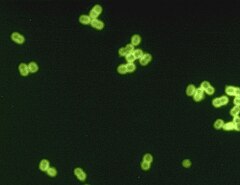
S. pneumoniae in spinal fluid (digitally colored).
Chromatographic profile of the RJ samples showed similar fingerprints and the presence of 10H2DA in both samples. Furthermore, fresh and lyophilized RJ were effective against all bacteria evaluated; that is, the lyophilization process maintains the antibacterial activity of RJ and the chemical field of 10H2DA. The fatty acid 10H2DA exhibited a good antibacterial activity against Streptococcus pneumoniae.

Therefore, it may be used as an alternative and complementary treatment for infections caused by antibiotic-resistant S. pneumoniae.

Friday, July 3, 2015

Honey Bee Products Improve the Immune System

Yet another synergistic effect from consuming bee products. This is an important update to a previous study that identified lactic acid bacteria present in honey, bee pollen and bee bread. This human trial, even though small, reveals great promise for those needing immune system support, complementing the medical community's interest in the connection between the immune system and a healthy gut.

Lactobacillus kunkeei YB38 from honeybee products enhances IgA production in healthy adults
J Appl Microbiol. 2015 Jun 29. doi: 10.1111/jam.12889.


AIMS:
To identify lactic acid bacterial isolates that promote IgA production in honeybee products and honeybees (Apis mellifera).

METHODS AND RESULTS:
Pyrosequencing analysis of the microbiota of honeybee products and honeybees revealed the predominance of Lactobacillus kunkeei in honey, bee pollen, bee bread, and royal jelly. L. kunkeei was isolated from bee pollen, bee bread, and honey stomach, and its effect on IgA production was evaluated in vitro. Heat-killed YB38 and YB83 isolates from bee pollen promoted IgA production in mouse Peyer's Patch cells and had little mitogenic activity or effect on IL-2 production in mouse spleen cells in comparison with Listeria monocytogenes, which does exhibit mitogen activity. A pilot study in 11 healthy adults showed that 4-week intake of 1,000 mg/day heat-killed YB38 increased SIgA concentrations and secretion in saliva with no adverse effects.

CONCLUSION:
Heat-killed L. kunkeei YB38 from bee pollen increases IgA production and may safely improve immune responsiveness.


SIGNIFICANCE AND IMPACT OF THE STUDY:
This is the first report of microbiota analysis of royal jelly and the immune efficacy of L. kunkeei from honeybee products in humans.


Wednesday, December 31, 2014

Royal Jelly Proteins Mapped via Phosphorylation

With this new mapping of royal jelly proteins, future studies will examine not only the antimicrobial aspects of this magnificent product produced for the queen, but numerous other beneficial effects already documented.

In-Depth Phosphoproteomic Analysis of Royal Jelly Derived from Western and Eastern Honeybee Species
J. Proteome Res., 2014, 13 (12), pp 5928–5943

The proteins in royal jelly (RJ) play a pivotal role in the nutrition, immune defense, and cast determination of honeybee larvae and have a wide range of pharmacological and health-promoting functions for humans as well. Although the importance of post-translational modifications (PTMs) in protein function is known, investigation of protein phosphorylation of RJ proteins is still very limited.

To this end, two complementary phosphopeptide enrichment materials (Ti4+-IMAC and TiO2) and high-sensitivity mass spectrometry were applied to establish a detailed phosphoproteome map and to qualitatively and quantitatively compare the phosphoproteomes of RJ produced by Apis mellifera ligustica (Aml) and Apis cerana cerana (Acc). In total, 16 phosphoproteins carrying 67 phosphorylation sites were identified in RJ derived from western bees, and nine proteins phosphorylated on 71 sites were found in RJ produced by eastern honeybees. Of which, eight phosphorylated proteins were common to both RJ samples, and the same motif ([S-x-E]) was extracted, suggesting that the function of major RJ proteins as nutrients and immune agents is evolutionary preserved in both of these honeybee species

All eight overlapping phosphoproteins showed significantly higher abundance in Acc-RJ than in Aml-RJ, and the phosphorylation of Jelleine-II (an antimicrobial peptide, TPFKLSLHL) at S6 in Acc-RJ had stronger antimicrobial properties than that at T1 in Aml-RJ even though the overall antimicrobial activity of Jelleine-II was found to decrease after phosphorylation. The differences in phosphosites, peptide abundance, and antimicrobial activity of the phosphorylated RJ proteins indicate that the two major honeybee species employ distinct phosphorylation strategies that align with their different biological characteristics shaped by evolution. The phosphorylation of RJ proteins are potentially driven by the activity of extracellular serine/threonine protein kinase FAM20C-like protein (FAM20C-like) through the [S-x-E] motif, which is supported by evidence that mRNA and protein expression of FAM20C-like protein kinase are both found in the highest level in the hypopharyngeal gland of nurse bees.

Our data represent the first comprehensive RJ phosphorylation atlas, recording patterns of phosphorylated RJ protein abundance and antibacterial activity of some RJ proteins in two major managed honeybee species. These data constitute a firm basis for future research to better understand the biological roles of each RJ protein for honeybee biology and human health care.


Monday, September 15, 2014

PMS Reduced by Consuming Royal Jelly

Royal jelly is a hormone-rich substance that is encouraged for women, whether during pregnancy or in menopause. This triple-blind study reinforces the benefits women gain when consuming royal jelly to diminish PMS. Studies dating back to the 70's, identified that a blend of bee pollen and royal jelly reduced symptoms of PMS and menopause. In fact, royal jelly plays an important role in regulating hormones, not only for women, but for men as well. 

Effect of Royal Jelly on premenstrual syndrome among Iranian medical sciences students: A randomized, triple-blind, placebo-controlled study
Complement Ther Med. 2014 Aug;22(4):601-6

BACKGROUND:
Premenstrual syndrome (PMS) may have negative effects on women's health and sometimes need therapeutic non-pharmacological management.

OBJECTIVES:
To determine the effect of oral consumption of 1000mg Royal Jelly capsule on premenstrual syndrome.

METHOD:
This is a randomized, triple-blind, placebo-controlled clinical trial, which was conducted in Tehran University of Medical Sciences female dormitories between December 2011 and October 2012. The study population comprised 110 medical sciences student with PMS, whom were randomly assigned to an intervention or a control group. Each participant in the intervention group took one Royal jelly capsule orally per day, starting on the first day of menstruation and continued the same treatment daily throughout two consecutive menstrual cycles, while participants in the intervention group took placebo capsules as same method. The outcome measure in this study was PMS score as obtained through the Premenstrual Profile 2005.

RESULTS:
The mean of personal characteristics and baseline level of the premenstrual score before intervention did not differ between groups. After two consecutive months consumption of Royal Jelly, PMS score had decreased from 23.17±17.43 to 11.42±14.58 (mean change: 11.75; 95% confidence interval [CI]: 8.31-15.19) and in Placebo, PMS score changed from 21.48±16.39 to 20.27±15.76 (mean change: 1.20; 95% CI: -1.69 to 4.10). Also difference between mean changes was significant (mean difference: 10.54; 95% CI: 6.10-14.98).

CONCLUSIONS:
The results of the study have demonstrated that 2 months consumption of Royal Jelly was effective in reducing PMS

Monday, September 8, 2014

Reduced Toxicity Achieved in Liver, Spleen & Pancreas with Apitherapy

A fantastic study revealing the "synergistic effects" of an Apitherapy diet, combining multiple bee products enhances the effects of each individual product thereby boosting the overall results. This study reaffirms the previous results which identified the detoxing effects of honey and propolis on liver and kidneys.

Effect of Apitherapy Formulations against Carbon Tetrachloride-Induced Toxicity in Wistar Rats after Three Weeks of Treatment
Molecules 2014, 19(9), 13374-13


The human body is exposed nowadays to increasing attacks by toxic compounds in polluted air, industrially processed foods, alcohol and drug consumption that increase liver toxicity, leading to more and more severe cases of hepatic disorders. The present paper aims to evaluate the influence of the apitherapy diet in Wistar rats with carbon tetrachloride-induced hepatotoxicity, by analyzing the biochemical determinations (enzymatic, lipid and protein profiles, coagulation parameters, minerals, blood count parameters, bilirubin levels) and histopathological changes at the level of liver, spleen and pancreas.
Liver samples

The experiment was carried out on six groups of male Wistar rats. Hepatic lesions were induced by intraperitoneal injection of carbon tetrachloride (dissolved in paraffin oil, 10% solution). Two mL per 100 g were administered, every 2 days, for 2 weeks. Hepatoprotection was achieved with two apitherapy diet formulations containing honey, pollen, propolis, Apilarnil, with/without royal jelly.
Spleen samples

Biochemical results reveal that the two apitherapy diet formulations have a positive effect on improving the enzymatic, lipid, and protein profiles, coagulation, mineral and blood count parameters and bilirubin levels. The histopathological results demonstrate the benefits of the two apitherapy diet formulations on reducing toxicity at the level of liver, spleen and pancreas in laboratory animals.
Pancreas samples

To download the full whitepaper, click here.


Sunday, August 17, 2014

Anti-Aging Compounds Verified in Royal Jelly

With other studies documenting the anti-aging properties of royal jelly and human trials showing its benefits for age-related conditions, this new study identifies the exact proteins in royal jelly that make it the right product for a long, healthy life.

Royal Jelly-Mediated Prolongevity and Stress Resistance in Caenorhabditis elegans Is Possibly Modulated by the Interplays of DAF-16, SIR-2.1, HCF-1, and 14-3-3 Proteins


Recent studies suggest that royal jelly (RJ) and its related substances may have antiaging properties. However, the molecular mechanisms underlying the beneficial effects remain elusive. 

We report that the effects of RJ and enzyme-treated RJ (eRJ) on life span and health span in Caenorhabditis elegans (C elegans) are modulated by the sophisticated interplays of DAF-16, SIR-2.1, HCF-1, and 14-3-3 proteins. Dietary supplementation with RJ or eRJ increased C. elegans life span in a dose-dependent manner. The RJ and eRJ consumption increased the tolerance of C elegans to oxidative stress, ultraviolet irradiation, and heat shock stress. Our genetic analyses showed that RJ/eRJ-mediated life-span extension requires insulin/IGF-1 signaling and the activities of DAF-16, SIR-2.1, HCF-1, and FTT-2, a 14-3-3 protein. Earlier studies reported that DAF-16/FOXO, SIR-2.1/SIRT1, FTT-2, and HCF-1 have extensive interplays in worms and mammals. Our present findings suggest that RJ/eRJ-mediated promotion of longevity and stress resistance in C elegans is dependent on these conserved interplays. 

From an evolutionary point of view, this study not only provides new insights into the molecular mechanisms of RJ's action on health span promotion in C elegans, but also has imperative implications in using RJ/eRJ as nutraceuticals to delay aging and age-related disorders.


Tuesday, June 10, 2014

Spatial Memory Improved with Royal Jelly Consumption

This exciting study reinforces previous studies with humans, which found other positive results from consuming royal jelly, even in shorter duration. These findings are very important for those concerned with Alzheimer's and other age-related diseases. The message is clear - consume royal jelly, it's a brain booster!

Long-term administration of Greek royal jelly improves spatial memory and influences the concentration of brain neurotransmitters in naturally aged wistar male rats

ETHNOPHARMACOLOGICAL RELEVANCE:
Royal Jelly (RJ) is a bee-derived product that has been traditionally used in the European and Asian systems of medicine for longevity. RJ has various pharmacological activities that may prevent aging e.g., anti-inflammatory, anti-oxidative, anti-hypercholesterolemic and anti-hyperglycemic properties.

AIM OF THE STUDY:
To evaluate the behavioral and neurochemical effects of long-term oral, previously chemically analyzed, Greek RJ administration to aged rats.

MATERIALS AND METHODS:
RJ powder was given to 18-month old male Wistar rats (50 and 100mg of powder/kg b.w./day) by gastric gavage for 2 months. The spatial memory was assessed in the water maze and next the level of neurotransmitters, their metabolites and utilization in the selected brain regions were estimated.

RESULTS:
The improvement of memory in rats pretreated with the smaller dose of RJ was observed compared with controls. In biochemical examination mainly the depletion of dopamine and serotonin in the prefrontal cortex along with an increase in their metabolite concentration and turnover were seen.

CONCLUSION:

Better cognitive performance in the old animals using a non-toxic, natural food product in the view of the process of the aging of human population is noteworthy. Our results contribute towards validation of the traditional use of RJ in promoting a better quality of life in old age.


Friday, March 21, 2014

Royal Jelly Found to Help Type 2 Diabetics

An exciting new study revealing the positive effects of royal jelly on Type 2 Diabetes, which is quite amazing as honey is now recommend for Type 1 diabetics. This is part of a continuing thread in current research consistently showing the preventative effects of bee products on chronic illnesses.

Effects of royal jelly supplementation on glycemic control and oxidative stress factors in type 2 diabetic female: a randomized clinical trial
Chin J Integr Med, 2014 Mar 7

OBJECTIVE:
It has been proposed that royal jelly has antioxidant properties and may improve oxidative stress and glycemic control. Therefore, we investigated the effects of royal jelly supplementation in diabetic females.

METHODS:
In this pilot, parallel design randomized clinical trial, 50 female volunteers with type 2 diabetes were randomly allocated to the supplemented (25, cases) and placebo (25, cases) groups, based on random block procedure produced by Random Allocation Software, given a daily dose of 1,000 mg royal jelly soft gel or placebo, respectively, for 8 weeks. Before and after intervention, glycemic control indices, antioxidant and oxidative stress factors were measured.

RESULTS:
After royal jelly supplementation, the mean fasting blood glucose decreased remarkably (163.05±42.51 mg/dL vs. 149.68±42.7 mg/dL). Royal jelly supplementation resulted in significant reduction in the mean serum glycosylated hemoglobin levels (8.67%±2.24% vs. 7.05%±1.45%, P=0.001) and significant elevation in the mean insulin concentration (70.28±29.16 pmol/L vs. 86.46±27.50 pmol/L, P=0.01). Supplementation significantly increased erythrocyte superoxidase dismutase and glutathione peroxidase activities and decreased malondialdehyde levels (P < 0.05). At the end of study, the mean total antioxidant capacity elevated insignificantly in both groups.

CONCLUSIONS:

On the basis of our findings, it seems that royal jelly supplementation may be beneficial in controlling diabetes outcomes. Further studies with larger sample size are warranted.


Tuesday, March 11, 2014

Bone Quality Enhanced with Royal Jelly

Major discoveries were made last year in researching Royal Jelly, identifying new proteins and compounds that add to its amazing effects on humans and animals. This study gives it further credibility as an ideal supplement for mature adults, providing tonus and energy, supporting brain functions and now enhancing bone quality.

Royal jelly affects collagen crosslinking in bone of ovariectomized rats
Journal of Functional Foods, 2014 February 11

Royal jelly (RJ) is an essential food for queen bees, and it reportedly has estrogen-like activity. The objective of this study was to evaluate the effect of RJ intake on bone quality with a focus on the posttranslational modifications of type I collagen. RJ was fed to ovariectomized (OVX) rats for 12 weeks. RJ intake did not affect OVX-induced reduction in bone volume at the femur epiphysis; however, the reduction of collagen crosslinks (pyridinoline and deoxypyridinoline), which represent an aspect of bone quality, were significantly mitigated. In cultured MC3T3-E1osteoblasts, RJ treatment did not affect cell proliferation, cell differentiation, matrix formation, or mineralization.

However, RJ treatment did stimulate expression of plods, which encode lysyl hydroxylase isoforms that control the collagen crosslinking pathway, and it also affected collagen crosslinking.


These results indicate that oral intake of RJ could improve bone quality by modulating the posttranslational modification of type I collagen.


Wednesday, February 5, 2014

Royal Jelly Prevents Testicular Damage from Anticancer Drug

We normally see royal jelly supporting the nervous and cardiovascular systems, horomonal production and boosting vitality. Surprisingly, this study found it also protects from the negative side effects of a chemotherapy drug, as well as sperm viability. Amazing as it seems, bee products have a capacity of not only protecting but enhancing our health...

Royal jelly protects from taxol-induced testicular damages via improvement of antioxidant status and up-regulation of E2f1

This study was carried out to evaluate the protective effects of royal jelly (RJ) on taxol (TXL)-induced damage of the testis. 

Wistar rats were divided into control and test groups. The test group was divided into five subgroups; the first four groups along with TXL administration (7.5 mg/kg body weight (bw), weekly), received various doses of RJ (0, 50, 100, and 150 mg/kg bw). The last group received only RJ at 100 mg/kg. Royal jelly lowered the TXL-induced malondialdehyde and nitric oxide levels and enhanced the total thiol molecules in the testis. Remarkably RJ reduced the TXL-induced pathological injuries such as cellular shrinkage and seminiferous tubule depletion. Taxol-reduced sperm viability (27.5 ± 2.98 % vs. 85.0 ± 8.6% in the control group) was recovered by RJ administration as 80.5 ± 10.6% of the sperm were found alive in the group of animals which received 150 mg/kg RJ. The TXL-exposed and TXL plus RJ-administered animals showed a significant up-regulation of transcription factor E2f1 mRNA.

Our data suggest that the TXL-induced histopathological and biochemical alterations could be protected by the administration of RJ. The RJ protective effects might be attributed to its antioxidant capacity and its capability in the regulation of E2f1 expression.


Monday, December 16, 2013

Higher Levels of Royal Jelly Component found in Western China

Since 98% of the world's supply of Royal Jelly comes from China, this study is significant on two aspects. Royal Jelly, made by worker bees for the queen, rely on pollen to produce this special gelatin. Geographic location is very important. But the other significant development is the type of honey bee used. This study reviewed three varieties of Apis mellifera, including a hybrid. Using 10-HDA is an important measure of quality, due to its ability to aid neurogenesis... 

Geographical Influences on Content of 10-Hydroxy-trans-2-Decenoic Acid in Royal Jelly in China

The content of 10-hydroxy-trans-2-decenoic acid (10-HDA), a marker compound in royal jelly (RJ), is the most important criterion in grading RJ for commercial trade and varies with its origin. To identify the effect of geographical origin on 10-HDA content in RJ, 138 samples were collected from 19 provinces of China (divided into three groups) produced by either Apis mellifera ligustica Spinola, 1806 or a hybrid of A. m. ligustica and Apis mellifera carnica Pollman, 1879 and analyzed for moisture, sugar, crude protein, ash, acid, and 10-HDA concentration.

The results show that RJ from western China has a significantly higher 10-HDA level (2.01 ± 0.05%) than those from northeastern (1.87 ± 0.05%) and eastern (1.75 ± 0.03%) China. RJ secreted by hybrid bees contained more 10-HDA (1.89 ± 0.03%) than that secreted by A. m. ligustica (1.78 ± 0.03%). The 10-HDA content of RJ produced during flowering of rape (Brassica campestris L.), lime (Tilia amurensis Ruprecht), and vitex (Vitex negundo L. variety heterophylla (Franch.) Rehder) was 1.92,1.80, and 1.68%, respectively.
The results would be helpful during the process of price determination of RJ by providing some basis of geographical, bee strain, and botanical information for commercial trade.


Monday, December 9, 2013

Bee Products Reduce Toxic Damage from Agrichemicals

A common thread found in all bee products is antioxidant potency. This study found their effects reversed oxidatitve damage caused by agrichemical contamination in an aquacultural setting. The results are evident, not only with aquatic life but in this study they also included a common ground water contaminant, which is known for causing infant birth defects. Bee products are a natural protective addition for creatures with or without legs...

Bee Products Prevent Agrichemical-Induced Oxidative Damage in Fish

In southern South America and other parts of the world, aquaculture is an activity that complements agriculture. Small amounts of agrichemicals can reach aquaculture ponds, which results in numerous problems caused by oxidative stress in non-target organisms. Substances that can prevent or reverse agrichemical-induced oxidative damage may be used to combat these effects. This study includes four experiments.

In each experiment, 96 mixed-sex, 6-month-old Rhamdia quelen (118±15 g) were distributed into eight experimental groups: a control group that was not exposed to contaminated water, three groups that were exposed to various concentrations of bee products, three groups that were exposed to various concentrations of bee products plus tebuconazole (TEB; Folicur 200 CE™) and a group that was exposed to 0.88 mg L-1 of TEB alone (corresponding to 16.6% of the 96-h LC50).

We show that waterborne bee products, including royal jelly (RJ), honey (H), bee pollen (BP) and propolis (P), reversed the oxidative damage caused by exposure to TEB. These effects were likely caused by the high polyphenol contents of these bee-derived compounds. The most likely mechanism of action for the protective effects of bee products against tissue oxidation and the resultant damage is that the enzymatic activities of superoxide dismutase (SOD), catalase (CAT) and glutathione-S-transferase (GST) are increased.


Monday, September 30, 2013

Richest Source of Pantothenic Acid Found in Royal Jelly

It's true, Royal Jelly has something special! Numerous articles have reported that Royal Jelly possesses certain values and now this study validates it's rich, natural source of Pantothenic Acid (B5). As stated by Wikipedia, "For many animals, pantothenic acid is an essential nutrient"... 

HPLC determination of pantothenic acid in royal jelly
J Analytical Methods, 2013, July 9

Although royal jelly constitutes one of the richest natural sources of pantothenic acid (vitamin B5), a reliable and validated chromatographic method to determine this analyte in this matrix has yet to be described in literature. In this work we present an original RP-HPLC procedure to measure the concentration of pantothenic acid in royal jelly. A sample pre-treatment is needed to prevent the interference of high protein concentration in the matrix.


The method has been validated in terms of LoD, LoQ, linearity, precision (repeatability and reproducibility) and bias. 

Finally, the whole procedure was tested on a number of samples of royal jelly from different origin, providing concentration values spanning from 120±30 to 565±40 mg Kg-1 of pantothenic acid.


Saturday, August 17, 2013

Royal Jelly Improves Sperm Kinematics

Studies of Royal Jelly continue to reveal existence of its protective properties, as well as its consistent ability to enhance sexual function, from women to men and even rams...

Royal Jelly improves the sperm parameters of ram semen during liquid storage and serves as an antioxidant source
SmallRuminant Research  2013, July

Abstract:
The current study was carried out to investigate the protective effects of the Royal Jelly (RJ) supplementation on the sperm kinematics, plasma membrane functionality, the level of produced nitric oxide (NO) and total antioxidant capacity during the liquid storage of ram semen at 4 °C, for various periods of time (0, 24, 48, 72, 96 and 120 h).

Semen samples were collected from four rams and pooled, diluted with Tris–egg yolk extender without RJ (control) or supplemented with different concentrations of RJ (0, 0.5, 1, 1.5 and 2%), at a final concentration of 200 × 106 sperm/mL. Sperm viability, kinematics and membrane functionality were determined by nigrosin–eosin staining, computer-assisted sperm analysis (CASA), and by using the hypo-osmotic swelling test (HOST), respectively. Additionally, the oxidative and nitrosative status were evaluated after the RJ supplementation. The RJ supplementation resulted in a significant (P < 0.05) increase of sperm viability with the highest increase at 1% RJ concentration for 120 h. A significant protective effect of RJ on sperm membrane functionality was obtained at lower concentrations (0.5 and 1%) and in all incubated time points. The most prominent protective effect of RJ on sperm motility parameters was found on the progressive velocity (VSL) as after 72 h storage, no significant reduction was found in comparison to the 50% reduction in the control group. The produced NO level during storage time was reduced by addition of RJ at low concentrations (0.5 and 1%).


Our data suggest that the RJ supplementation at lower concentrations (0.5 and 1%) improves the ram sperm kinetics and plasma membrane functionality during the liquid and cold storage. Moreover, the protective effect of RJ might be attributed to its antioxidative/antinitrosative capacities.


Wednesday, May 29, 2013

Royal Jelly Prevents Geriatric Muscle Loss

This important study confirms yet another aspect of Royal Jelly's anti-aging effectiveness in preventing issues such as muscle loss (Sarcopenia), mental clarity (Parkinsons, Alzheimers), skin conditions, lack of vitality, etc. Other studies on this blog, confirm the positive results in combating these problems through the consumption of Royal Jelly...

Royal Jelly Prevents the Progression of Sarcopenia in Aged Mice In Vivo and In Vitro

Sarcopenia is characterized by the age-related loss of muscle mass and strength. One of the mechanisms of sarcopenia is the loss in the function and number of muscle satellite cells.

Royal jelly (RJ) is a health food used worldwide. To obtain better digestion and absorption than RJ, protease-treated RJ (pRJ) has been developed. RJ and pRJ have been suggested to have potential pharmacological benefits such as prolonging the life span and reducing fatigue. Because these effects may improve sarcopenia and the functions of satellite cells, we examined the effects of RJ or pRJ treatment on the skeletal muscles in an animal model using aged mice.

In vivo, RJ/pRJ treatment attenuated the decrease in the muscle weight and grip strength and increased the regenerating capacity of injured muscles and the serum insulin-like growth factor-1 levels compared with controls. In vitro, using isolated satellite cells from aged mice, pRJ treatment increased the cell proliferation rate, promoted cell differentiation, and activated Akt intracellular signaling pathway compared with controls.

These findings suggest that RJ/pRJ treatment had a beneficial effect on age-related sarcopenia.


Wednesday, May 8, 2013

Royal Jelly Protection from Radiation Therapy

One element we consistently find in studies is the protective properties of honey bee products. Now, more proof of Royal Jelly's protective effects from radiation or Radiotherapy. These protective qualities are also true with Honey, Propolis, Bee Pollen and when combined generate a Synergistic effect enhancing all their protective properties...

Effect of Royal Jelly on Serum Trace Elements in Rats Undergoing Head and Neck Irradiation
Kulak BurunBogaz Ihtis Derg, 2013 Jan-Feb;23(1):37-43

OBJECTIVES:
This study aims to investigate the effects of radiation on serum trace elements and the changes in these elements as induced by royal jelly in rats undergoing head and neck irradiation.

MATERIALS AND METHODS:
Thirty-two Sprague-Dawley male rats at the age of eight weeks with a mean weight of 275±35 g were included in the study. Subjects were divided into four groups with eight rats in each group: group 1: controls (C), group 2: radiation-only (RT), group 3: radiation plus royal jelly 50 mg/kg (RT+RJ50) and group 4: royal jelly 50 mg/kg-only (RJ50). Radiotherapy was applied to the head and neck area by single fraction at a dose of 22 Gy. The royal jelly was given once daily for seven days. The subjects were sacrificed on the seventh day of the study. Trace elements in blood samples were measured using ICP/MS method.

RESULTS:
When the trace element levels among the groups were compared using ANOVA test, a statistically significant difference was found in Al, As, Ca, Cd, Cr, K, Mg, Pb, Se, and Sn levels. No significant difference was found in the levels of Ag, Ba, Co, Cs, Cu, Fe, Ga, Hg, Mn, Na, Ni, Rb, Sr, Ti, U, V, and Zn (p > 0.05). It was observed that oxidative stress was reduced in the radiation plus royal jelly group, compared to the radiation-only group.

CONCLUSION:
Our study results suggest that head and neck irradiation increases oxidative stress, leading to some changes in the trace element levels, while royal jelly exhibits a protective effect against the oxidative stress induced by radiation.


Sunday, March 31, 2013

Une Ruche = Une Pharmacie, 28 Avril

Un évènement important pour moi et vous, car ce sera en Français (English spoken) sur le thème : comment guérir avec l'Apithérapie...

Une Ruche = Une Pharmacie
Ces Abeilles Qui Nous Guerissent
Présentation Animée, Entrée Libre

28 avril, 15h-17h
Salles des fêtes, 625 rue de Verdun, St Antoine sur l'Isle
Gironde, France

Venez nombreux pour découvrir comment les abeilles et leurs produits sont essentielles pas seulement pour notre environnent mais aussi pour les êtres vivants.

Animée par des experts de l'Apithérapie et des apiculteurs. 

Venez déguster et découvrez les merveilles de la ruche pour ceux qui veulent mieux savoir.

Vous pourrez emporter des recettes et des remèdes faits avec les produits de la ruche.. le miel, la propolis, le pollen, la gelée royale pour:

  • Prévenir les infections
  • Combattre la fatigue
  • Soulager les troubles digestifs
  • Réparer et cicatriser...
Venez participer à une présentation animée où vous pourrez observez l'intérieur d'une ruche, une ruchette vivante et même découvrir des recette culinaires.

Pour plus de renseignements, contactez Chez les Abeilles à: info@chezlesabeilles.com 
téléphone +33(0)9-22-82-62-52
www.Facebook.com/ChezlesAbeilles

Envoyez vos questions en avance et venez écoutez les réponses!

Chez les Abeilles
396 route de l'Ecluse
33660 St Antoine sur l'Isle
(tel) 09-82-22-62-52
www.chezlesabeilles.com
Siret n° 537392144


Wednesday, February 27, 2013

Royal Jelly Accelerates Healing of Oral Mucositis

This is great news for cancer therapy patients! I'm simply amazed to see the consistent documentation of the healing properties from all the products of the beehive. Royal Jelly, Propolis, Honey, Bee Pollen and Bee Venom all possess very important, documented evidence of healing and aiding living beings. Why is it so difficult for consumers and practitioners to not hear this important message that it's easy to Bee Healthy with honey bee products...


Oral Mucosal Adhesive Films Containing Royal Jelly Accelerate Recovery From 5-Fluorouracil-Induced Oral Mucositis
J PharmacolSci, 2013 Jan 25

Oral mucositis induced by chemotherapy or radiotherapy has an impact upon quality-of-life, is dose-limiting for chemotherapy, and causes considerable morbidity. We evaluated the effect of royal jelly (RJ) on 5-fluorouracil (5-FU)-induced oral mucositis in hamsters.

Oral mucositis was induced in hamsters through a combination of 5-FU treatment and mild abrasion of the cheek pouch. RJ was contained in chitosan-sodium alginate film (RJ film). Films were attached to the oral mucosa and the healing process examined by measuring the area of mucositis, myeloperoxidase (MPO) activity, microscopic aspects, and RT-PCR for detection of pro-inflammatory cytokines (tumor necrosis factor-α, interleukin-1β). Furthermore, we evaluated the radical-scavenging activity of RJ and generation of keratinocyte growth factor from human periodontal ligament fibroblasts. RJ films (10%, 30%) significantly improved recovery from 5-FU-induced damage, reduced MPO activity and the production of pro-inflammatory cytokines. Additionally, RJ showed radical-scavenging activity.

These data suggest that topical application of films that contain RJ had a healing effect on the severe oral mucositis induced by 5-FU and that the effect was caused by the anti-inflammatory or anti-oxidative activities of RJ.


Friday, February 8, 2013

Royal Jelly Boosts Semen Production

The benefits of consuming Royal Jelly is getting a lot attention recently by the medical profession, reknown for centuries, and now found to contain essential nutrients for living beings. Studies have proven its effect as a 'Brain Booster', lowering cholesterol and now its capacity to boost sperm count in mammals. Royal Jelly contains life force and is a life giver...


Seminal quality and testicular morphometry of rabbits (Oryctolagus cuniculus) supplemented with royal jelly
Arq. Bras. Med.Vet. Zootec2012, Dec.  

ABSTRACT
A trial was carried out to evaluate the effects of royal jelly on the seminal quality and testicular morphometry of rabbits.
Fourteen mature rabbits of New Zealand breed were distributed between three groups. The first group was supplied with 1mL of water only (SG), the second group was supplied with 0.5mg of royal jelly diluted in 1mL of water (0.5G), and the third group was supplied with 1mg of royal jelly also diluted in 1mL of water (1.0G). 
The royal jelly supply started 30 days before semen collection and lasted the entire experimental period. An artificial vagina was used to collect the rabbits' semen. Physical and morphological parameters in the semen and the testicular morphometry were evaluated. Differences were found on the seminal volume in group 0.5G(0,54±0,22) in relation to SG (0,39±0,13) and 1.0G (0,30±0,09) groups (P < 0.05). For SG, 0.5G and 1.0G groups, no differences (P > 0.05) were found in sperm concentration, gross motility, individual motility and vigor. The total of primary defects in group 0.5G (8,52±3,26) was lower than in groups SG (14,09±4,2) and 1.0G (16,1±3,95) (P < 0.05). No significant difference was found between secondary defects and the total defects on the semen (P > 0.05). 
Body, testicular and epididymal weights did not differ between groups, as well to the gonadosomatic index (P > 0.05). The ingestion of royal jelly produced positive results on the seminal production of males.

INTRODUCTION
Royal jelly is composed of 63% moisture, 3.5% lipids (steroids), 13% protein and 19.5% carbohydrates, minerals, and vitamins (thiamine, riboflavin and niacin) (Amoedo and Muradian, 2002) and other yet unidentified components (Kohno et al., 2004). The acid 10-hydroxy-2-decenoic (10-HDA) is the main component of its lipid fraction and is considered the most important active ingredient of royal jelly (Koshio and Muradian, 2003)...

CONCLUSIONS
The daily intake of 0.5 mg of Royal Jelly increased semen volume and decreased values ​​sperm defects in primary New Zealand rabbits, with positive effects on the morphology seminal.


Monday, February 4, 2013

Bee Products Fight Disease, Useful in Medicine

Just in time for the cold season, another scientific review validating the health benefits of bee products. Besides protecting oneself from the changing seasons, it's clear that taking honey and propolis (and other bee products) has a synergistic effect to aid even more severe chronic conditions such as allergies and autoimmune diseases... 


Immunological Properties of Bee Products
Pot-Honey 2013, pp 513-523 

Abstract:
Honey, bee pollen, propolis and royal jelly are among the main products obtained from bees. They contain many compounds that may fight disease, making them useful in medicineBee products act upon both innate and adaptive immune response. At different levels, in the human innate response, these compounds suppress DNA synthesis, decrease proinflammatory cytokine synthesis (IL-2, IL-12 and IL-4), inactivate both the classical and alternative complement pathway, and decrease superoxide anion production in rabbit neutrophils. 
In adaptive immune response, propolis and honey induce the increase of antibody production by plasma cells, enhance the secretion of TGF-β after the activation of T regulatory cells, and inhibit Con A-stimulated cell proliferation in mice. The honey bee products act mainly through anti-inflammatory action which can ameliorate allergic and autoimmune diseases where inflammation plays an important role
Based on this knowledge, clinical studies to evaluate such products could be designed to obtain a new class of drugs, with application to allergies and autoimmune disease treatment.

Within this Chapter:

Introduction
Honey Bee Products and Innate Immune Response
Action Mechanisms of Bee Products in the Adaptive Immune Response
Future Perspectives to Use Honey Bee Products in Treatment of Immune Diseases
Conclusions
References
References