Friday, October 11, 2013

Bee Venom Cosmetic Helps Treat Acne

Bee venom is on the rise as a new cosmetic ingredient, rejuvenating skin as an alternative to injections of Botox®, is now proven to stop the growth of acne. It's antibacterial and anti-inflammatory properties make it a promising new compound...

Effects of cosmetics containing purified honeybee (Apis mellifera L.) venom on acne vulgaris
J Integr Med, 2013, Sept.


OBJECTIVE:
Acne vulgaris is a chronic dermatologic problem with multiple factors involved in its pathogenesis. Alternative solutions to acne treatment were instigated by antibiotic resistance despite of its extensive use. Purified bee venom (PBV) has been proposed as a promising candidate for that purpose. The present study was designed to confirm the antibacterial effect of PBV and access the efficacy of cosmetics containing PBV in subjects with acne vulgaris.

METHODS:
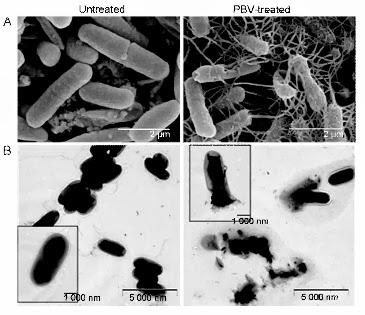
The skin bacterium Propionibacterium acnes was incubated with PBV at various concentrations and bacterial growth was evaluated using the colony forming unit (CFU) assay. The mechanism of PBV employed in killing P. acnes was examined by scanning electron microscopy (SEM) and transmission electron microscopy (TEM). In addition, a total of 12 subjects were randomized in a double-blind, controlled trial to receive either cosmetics containing PBV or cosmetics without PBV for two weeks. Evaluations included lesion counts and skin microorganism.

RESULTS:
PBV exhibited antimicrobial activity in a concentration-dependent manner, reducing the number of P. acnes CFU by approximately 6 logs at a concentration of 0.5 mg. When PBV concentration was higher than 1.0 mg, no P. acnes colonies were spotted on an agar. TEM and SEM of untreated P. acnes illustrated the normal pleomorphic structure, whereas the PBV-treated bacterium lost the integrity of surface architecture. Significant difference (P=0.027) in the grading levels based on numbers of lesion counts for inflammatory and noninflammatory was observed in favour of the PBV group compared with the control group. In terms of average decrement of skin
microorganism, subjects receiving cosmetics containing PBV experienced a significant 57.5% decrease of adenosine triphosphate levels, whereas participants receiving cosmetics without PBV experienced a nonsignificant decrease of 4.7%.
CONCLUSION:
These results show that the in vitro actions of antimicrobial activity of PBV were translated in vivo. Cosmetics containing PBV provided a certain degree of efficacy in terms of lesion counts and skin microorganism concentration compared with cosmetics without PBV in subjects with acne vulgaris. PBV may be a good candidate compound for developing therapeutic drug for the treatment of acne vulgaris.


Thursday, October 3, 2013

Propolis Effective in Destroying Colorectal Cancer Cells

Propolis is a natural protector and a vital, complementary ingredient for all medicinal disciplines. This study confirms it increases cell death in colon cancer. Once again, Propolis to the rescue! Eat your fiber and take your propolis...

Propolis Augments Apoptosis Induced by Butyrate via Targeting Cell Survival Pathways
PLoS One, 2013 Sept

Diet is one of the major lifestyle factors affecting incidence of colorectal cancer (CC), and despite accumulating evidence that numerous diet-derived compounds modulate CC incidence, definitive dietary recommendations are not available.

We propose a strategy that could facilitate the design of dietary supplements with CC-preventive properties. Thus, nutrient combinations that are a source of apoptosis-inducers and inhibitors of compensatory cell proliferation pathways (e.g., AKT signaling) may produce high levels of programmed death in CC cells.

Here we report the combined effect of butyrate, an apoptosis inducer that is produced through fermentation of fiber in the colon, and propolis, a honeybee product, on CC cells. We established that propolis increases the apoptosis of CC cells exposed to butyrate through suppression of cell survival pathways such as the AKT signaling. The programmed death of CC cells by combined exposure to butyrate and propolis is further augmented by inhibition of the JNK signaling pathway. Analyses on the contribution of the downstream targets of JNK signaling, c-JUN and JAK/STAT, to the apoptosis of butyrate/propolis-treated CC cells ascertained that JAK/STAT signaling has an anti-apoptotic role; whereas, the role of cJUN might be dependent upon regulatory cell factors.

Thus, our studies ascertained that propolis augments apoptosis of butyrate-sensitive CC cells and re-sensitizes butyrate-resistant CC cells to apoptosis by suppressing AKT signaling and downregulating the JAK/STAT pathway.

Future in vivo studies should evaluate the CC-preventive potential of a dietary supplement that produces high levels of colonic butyrate, propolis, and diet-derived JAK/STAT inhibitors.


Monday, September 30, 2013

Richest Source of Pantothenic Acid Found in Royal Jelly

It's true, Royal Jelly has something special! Numerous articles have reported that Royal Jelly possesses certain values and now this study validates it's rich, natural source of Pantothenic Acid (B5). As stated by Wikipedia, "For many animals, pantothenic acid is an essential nutrient"... 

HPLC determination of pantothenic acid in royal jelly
J Analytical Methods, 2013, July 9

Although royal jelly constitutes one of the richest natural sources of pantothenic acid (vitamin B5), a reliable and validated chromatographic method to determine this analyte in this matrix has yet to be described in literature. In this work we present an original RP-HPLC procedure to measure the concentration of pantothenic acid in royal jelly. A sample pre-treatment is needed to prevent the interference of high protein concentration in the matrix.


The method has been validated in terms of LoD, LoQ, linearity, precision (repeatability and reproducibility) and bias. 

Finally, the whole procedure was tested on a number of samples of royal jelly from different origin, providing concentration values spanning from 120±30 to 565±40 mg Kg-1 of pantothenic acid.


Tuesday, September 24, 2013

Combining Honey and Garlic Boosts Antibacterial Effects

Honey and propolis are extremely complementary with herbal remedies. After all, bee products are plant-based, so it's not suprising that combining the beneficial effects of garlic with honey will improve the effects of both. This is known as Api-Phytotherapy and even though this is from the stingless bee, it's antibacterial properties are similar to honey from Apis mellifera...

Combined antibacterial activity of stingless bee (Apis mellipodae) honey and garlic (Allium sativum) extracts against standard and clinical pathogenic bacteria
Asian Pac Jrl Trop Biomed, 2013 Sep;3(9):725-31

OBJECTIVE:
To investigate the synergic antibacterial activity of garlic and tazma honey against standard and clinical pathogenic bacteria.

METHODS:
Antimicrobial activity of tazma honey, garlic and mixture of them against pathogenic bacteria were determined. Chloramphenicol and water were used as positive and negative controls, respectively. Minimum inhibitory concentration (MIC) and minimum bactericidal concentration of antimicrobial samples were determined using standard methods.

RESULTS:
Inhibition zone of mixture of garlic and tazma honey against all tested pathogens was significantly (P ≤ 0.05) greater than garlic and tazma honey alone. The diameter zone of inhibition ranged from (18±1) to (35±1) mm for mixture of garlic and tazma honey, (12±1) to (20±1) mm for tazma honey and (14±1) to (22±1) mm for garlic as compared with (10±1) to (30±1) mm for chloramphenicol. The combination of garlic and tazma honey (30-35 mm) was more significantly (P≤0.05) effective against Salmonella (NCTC 8385), Staphylococcus aureus (ATCC 25923), Lyesria moncytogenes (ATCC 19116) and Streptococcus pneumonia (ATCC 63). Results also showed considerable antimicrobial activity of garlic and tazma honey. MIC of mixture of garlic and tazma honey at 6.25% against total test bacteria was 88.9%. MIC of mixture of garlic and tazma honey at 6.25% against Gram positive and negative were 100% and 83.33%, respectively. The bactericidal activities of garlic, tazma honey, and mixture of garlic and tazma honey against all pathogenic bacteria at 6.25% concentration were 66.6%, 55.6% and 55.6%, respectively.

CONCLUSIONS:
This finding strongly supports the claim of the local community to use the combination of tazma honey and garlic for the treatment of different pathogenic bacterial infections. Therefore, garlic in combination with tazma honey can serve as an alternative natural antimicrobial drug for the treatment of pathogenic bacterial infections. Further in vivo study is recommended to come up with a comprehensive conclusion. 


Monday, September 16, 2013

Propolis Antifungal Action Effective Against Vaginal Infections

The use of propolis as an antifungal agent has been documented in numerous studies and the increasing interest in the pharmaceutical industry to develop a clinical solution is not surprising since the non-toxic effects of propolis outweigh the negative side effects of drugs. Fortunately, propolis already exists as an ovule on the market... 

Evaluation of Mucoadhesive Gels with Propolis (EPP-AF) in Preclinical Treatment of Candidiasis Vulvovaginal Infection

Vulvovaginal candidiasis is the second cause of vaginal infection in the USA. Clinical treatment of C. albicans infections is routinely performed with polyenes and azole derivatives. However, these drugs are responsible for undesirable side effects and toxicity. In addition, C. albicans azole and echinocandin resistance has been described.

Propolis is a bee product traditionally used due to its antimicrobial, anti-inflammatory, and other properties. Therefore, the present work aimed to evaluate different propolis presentations in order to evaluate their in vitro and in vivo efficacy.

The methodologies involved antifungal evaluation, chemical analysis, and the effects of the rheological and mucoadhesive properties of propolis based gels. The obtained results demonstrated the fungicide action of propolis extracts against all three morphotypes (yeast, pseudohyphae, and hyphae) studied. The highest level of fungal cytotoxicity was reached at 6-8 hours of propolis cell incubation. Among the based gel formulations developed, the rheological and mucoadhesive results suggest that propolis based carbopol (CP1%) and chitosan gels were the most pseudoplastic ones. CP1% was the most mucoadhesive preparation, and all of them presented low thixotropy.

Results of in vivo efficacy demonstrated that propolis based gels present antifungal action similar to clotrimazole cream, suggesting that future clinical studies should be performed. 

Wednesday, September 11, 2013

Honey - Coffee 'Jam' Outperforms Steroid for Persistent Coughs

Honey as a cough suppressant has been studied, documented and authenticated for mild upper respiratory coughs. Now this double-blind study used a honey - coffee jam to significantly reduce persistent post-infectious coughs when compared to prednisolone, a steroid. Once again, honey helps and heals as a complementary, adjuvant solution without negative side effects...

Honey Plus Coffee Versus Systemic Steroid in the Treatment of Persistent Post-Infectious Cough: A Randomised Controlled Trial
Prim Care Respir J, 2013 Aug 21

Background:
Persistent post-infectious cough (PPC) is a cough that remains after a common cold or an upper respiratory tract infection for more than three weeks or perhaps for many months. Two of the suggested treatments for PPC are systemic steroid and honey plus coffee.

Aims:
The aim of this study was to evaluate and compare scientifically the therapeutic effects of these two regimens.

Methods:
A double-blind randomised controlled trial was conducted from 2008 to 2011 at the Baqiyatallah University Hospital, Tehran, Iran. Included in the study were 97 adults who had experienced PPC for more than three weeks. Patients with other causes of chronic cough, systemic disease, or abnormal routine laboratory tests were excluded. The participants were distributed into three groups. A jam-like paste was prepared which consisted of honey plus coffee for the first group ('HC'), prednisolone for the second group (steroid, 'S'), and guaifenesin for the third group (control, 'C'). The participants were told to dissolve a specified amount of their product in warm water and to drink the solution every eight hours for one week. All the participants were evaluated before treatment and one week after completion of treatment to measure the severity of their cough. The main outcome measure was the mean cough frequency before and after one week's treatment calculated by a validated visual analogue cough questionnaire score.

Results:
There were 97 adult patients (55 men) enrolled in this study with the mean of age of 40.1 years old. The mean (+/- SD) cough scores pre- and post-treatment were: HC group 2.9 (0.3) pre-treatment and 0.2 (0.5) post-treatment (p < 0.001); steroid ('S') group 3.0 (0.0) pre-treatment and 2.4 (0.6) post-treatment (p < 0.05); control ('C') group 2.8 (0.4) pre-treatment and 2.7 (0.5) post-treatment (p > 0.05). Analysis of variance showed a significant difference between the mean cough frequency before and after treatment in the HC group versus the S group (p < 0.001). Honey plus coffee was found to be the most effective treatment modality for PPC

Conclusions
A combination of honey and coffee can be used as an alternative medicine in the treatment of PPC.


Tuesday, September 3, 2013

Scottish Honey Stops Bacterial Growth in Wounds

Good honey heals wounds and certain monofloral honeys heal even better. It's important that studies are exposing other honeys that possess antimicrobial activity useful in wound management. Of course, it starts with good beekeeping habits...

The Antimicrobial Activity of Honey Against Common Equine Wound Bacterial Isolates

Veterinary Journal, 2013 Aug 17

Delayed healing associated with distal limb wounds is a particular problem in equine clinical practice. Recent studies in human beings and other species have demonstrated the beneficial wound healing properties of honey, and medical grade honey dressings are available commercially in equine practice. Equine clinicians are reported to source other non-medical grade honeys for the same purpose.

This study aimed to assess the antimicrobial activity of a number of honey types against common equine wound bacterial pathogens. Twenty-nine honey products were sourced, including gamma-irradiated and non-irradiated commercial medical grade honeys, supermarket honeys, and honeys from local beekeepers.

To exclude contaminated honeys from the project, all honeys were cultured aerobically for evidence of bacterial contamination. Aerobic bacteria or fungi were recovered from 18 products. The antimicrobial activity of the remaining 11 products was assessed against 10 wound bacteria, recovered from the wounds of horses, including methicillin resistant Staphylococcus aureus and Pseudomonas aeruginosa.

Eight products were effective against all 10 bacterial isolates at concentrations varying from < 2% to 16% (v/v). Overall, the Scottish Heather Honey was the best performing product, and inhibited the growth of all 10 bacterial isolates at concentrations ranging from < 2% to 6% (v/v). Although Manuka has been the most studied honey to date, other sources may have valuable antimicrobial properties. 

Since some honeys were found to be contaminated with aerobic bacteria or fungi, non-sterile honeys may not be suitable for wound treatment. Further assessment of gamma-irradiated honeys from the best performing honeys would be useful